Vision vs Reality: Crafting Krypton's Strategy
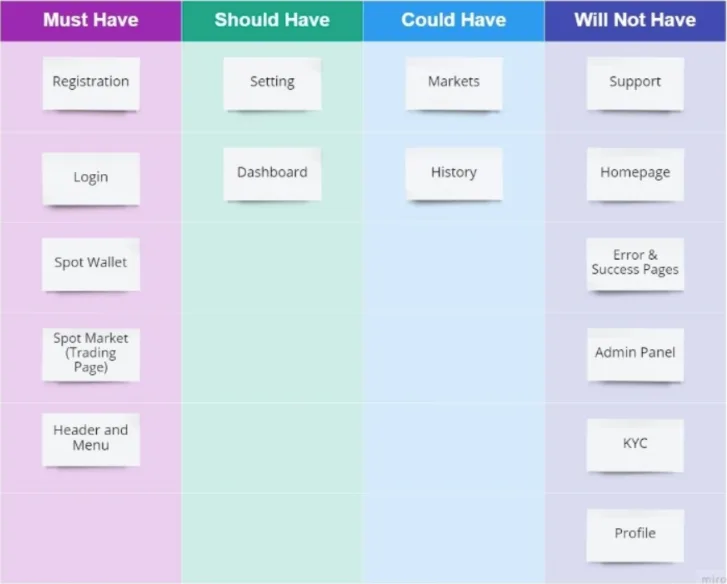
As the Product Design Lead for Krypton, I spearheaded the design strategy for a specialized cryptocurrency exchange platform serving markets in Iran and Turkey. Working within a dynamic team of 10 professionals, I collaborated closely with stakeholders to shape the product's direction and user experience. In the initial phases, I engaged in strategic discussions with the Product Manager regarding our approach to the exchange's development. While I advocated for a comprehensive design thinking methodology centered around Customer and User Journey Maps, we faced several constraints. These included stakeholder requirements, third-party integration limitations, and development team capacity. Taking these challenges into account, we adapted our strategy to balance user needs with practical constraints. I partnered with the Product Manager and CTO to develop and prioritize user stories using the MoSCoW prioritization framework. This pragmatic approach allowed us to maintain focus on essential features while ensuring feasible implementation timelines.
Building Blocks: Krypton's Design System Architecture
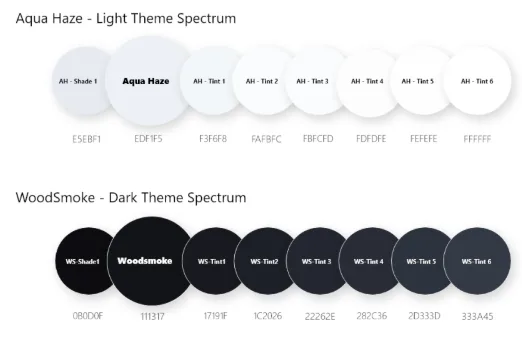
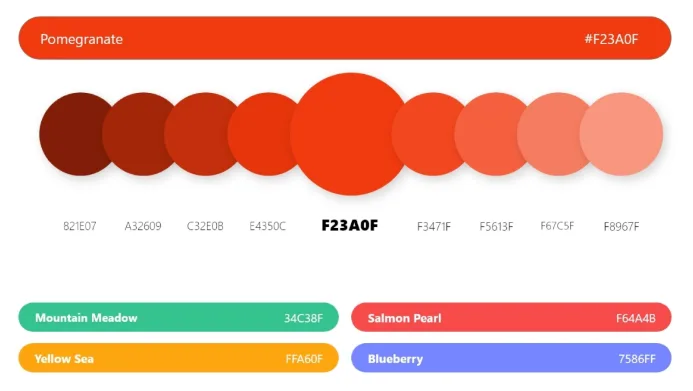
A critical aspect of my role involved establishing a robust design system through close collaboration with the frontend team. To ensure consistency across the platform, I led the development of a comprehensive style guide that would serve as the foundation for our product's visual language. One of our key achievements was creating a sophisticated color system to support both light and dark themes - a crucial feature for a cryptocurrency trading platform. I architected a precise color spectrum, carefully crafting eight distinct shades and tints for each base color. This systematic approach ensured perfect symmetry between the themes, with each color having a carefully calculated corresponding value in the alternate theme. This meticulous attention to detail not only enhanced the user experience but also streamlined the implementation process for our development team.
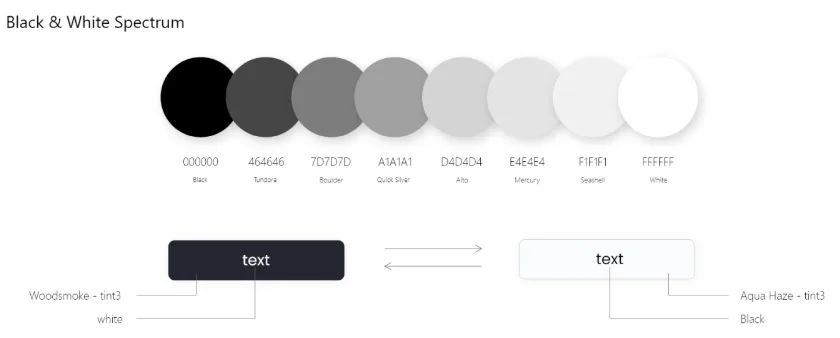
Following the establishment of our theme architecture, I led the team in developing a sophisticated color hierarchy. Our systematic approach began with crafting a precise grey spectrum, which served as the backbone of our interface. This foundation allowed us to thoughtfully integrate our primary brand colors and semantic color system - essential elements for conveying meaning and maintaining consistency across our trading platform.
The semantic color palette was particularly crucial for a cryptocurrency exchange, where color plays a vital role in communicating market dynamics, alerts, and transaction statuses to users.
A crucial phase in our design system development was establishing a sophisticated typography scale that addressed the unique challenges of our multi-language platform. Rather than implementing a one-size-fits-all approach, I developed a nuanced typographic system that respected the distinct characteristics of both English and Persian scripts.
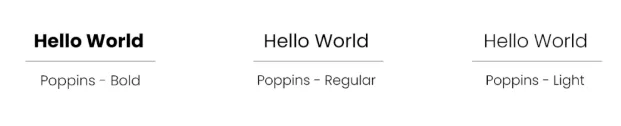
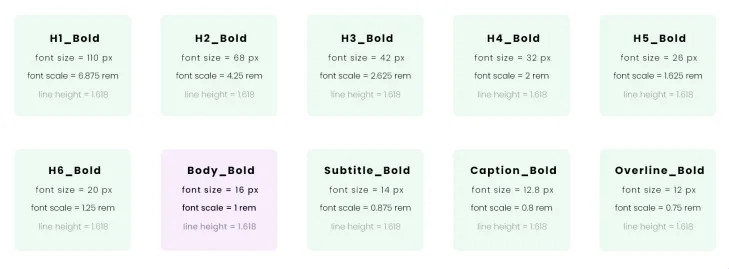
Our typography framework incorporated carefully calibrated line-height ratios to optimize readability across languages. For English text, we implemented a golden ratio multiplier of 1.618 for line spacing, while Persian text required a multiplier of 2.0 to accommodate its unique script characteristics. The system utilized the Poppins font family in three strategic weights - Light, Regular, and Bold - with a comprehensive ten-level scale hierarchy: H1 through H6, Body, Subtitle, Caption, and Overline.
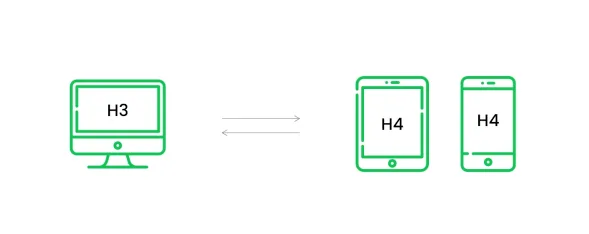
To ensure optimal readability across devices, I established a responsive typography system. This included a systematic step-down rule: text elements would automatically scale down one level when moving from desktop to tablet or mobile viewports. For instance, content styled as H3 on desktop would seamlessly transition to H4 on smaller devices, maintaining proper visual hierarchy while ensuring readability.
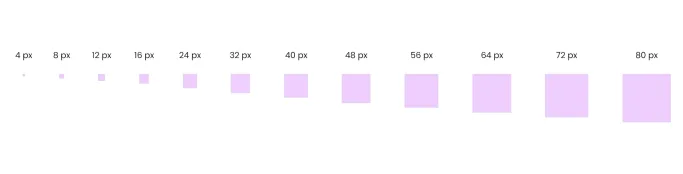
The foundation of our spatial design system was built on an 8-point grid methodology, ensuring consistent rhythm and harmony throughout the interface. This systematic approach to spacing governed both padding and margin values across all components and layouts. By implementing this 8-pixel increment system, we established a predictable and scalable spacing hierarchy that enhanced both visual consistency and development efficiency. This mathematical precision in our spacing system proved particularly valuable for maintaining proportional relationships across different viewport sizes and ensuring pixel-perfect implementation by our frontend team.
Learning from the Pros: Trading Platform Research
To develop a trading platform that truly served our users' needs, I spearheaded a comprehensive user research initiative focused on understanding professional trading behaviors and requirements. Our research methodology centered on conducting in-depth interviews with a carefully selected group of six experienced traders - four cryptocurrency specialists and two forex traders - to gain nuanced insights into their trading practices, pain points, and essential requirements.
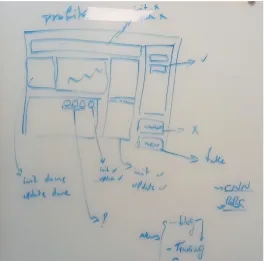
Research Methodology and Participant Selection: The diversity in our participant pool was intentional, allowing us to capture insights from both crypto-native traders and traditional forex professionals. This cross-market perspective proved invaluable in understanding universal trading needs while identifying crypto-specific requirements.
Key Research Findings and Implications:
- Trading Tool Ecosystem: Our research revealed that professional traders operate within a complex ecosystem of tools. Most notably, we discovered that traders predominantly rely on specialized platforms like TradingView for technical analysis. This insight led us to reconsider our initial assumption about chart prominence, allowing us to optimize screen real estate for more critical features.
- Order Book Centrality:
The order book emerged as the cornerstone of trading decisions, with traders emphasizing several critical aspects:
- Real-time data synchronization requirements
- Order matching speed expectations
- Spread visibility and market depth analysis
- Volume depth visualization preferences
- Instant liquidity assessment capabilities for various trade sizes
- Impact analysis tools for large order execution
- Order Management Workflow:
Traders articulated specific needs around order placement and management:
- Clear, persistent display of available trading assets
- Streamlined order placement workflows minimizing clicks
- Comprehensive data presentation without overwhelming the interface
- Quick access to historical order information
- Real-time position monitoring capabilities
- Market Information Hierarchy:
The research highlighted the critical nature of live market data:
- Price movement indicators
- Volume analysis tools
- Market trend indicators
- Trading pair statistics
- 24-hour market summaries
Translating Research into Action:
Working collaboratively with the Product Manager, I transformed these research insights into actionable deliverables:
Design Implementation:
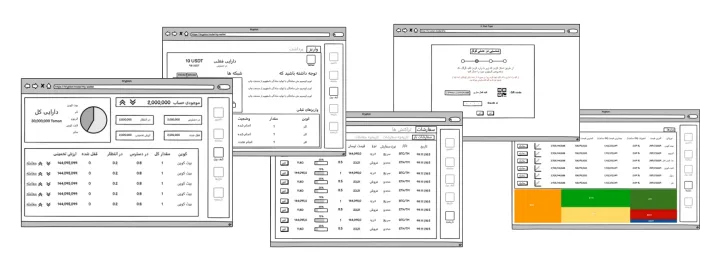
- Developed detailed wireframes prioritizing order book visibility
- Created intuitive layouts for order management
- Designed compact yet informative market information displays
- Optimized screen real estate based on user priorities
Product Documentation:
- Crafted comprehensive user stories for key features
- Developed detailed interaction specifications
- Created user flow diagrams for critical paths
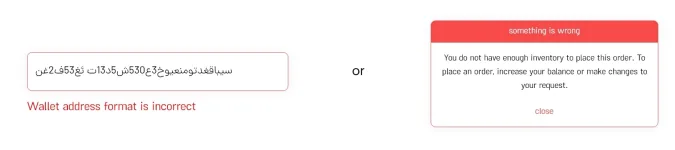
- Documented edge cases and error states
Stakeholder Alignment: Through multiple collaborative sessions with the development team, we refined our specifications to achieve a balance between user needs and technical feasibility for our MVP release. This iterative process ensured that our final design decisions were both technically viable and true to our research findings.
Impact Measurement: We established key metrics to measure the success of our design decisions:
- Order placement time
- User error rates
- Feature adoption rates
- User satisfaction scores
This research-driven approach formed the foundation of our product development strategy, ensuring that every design decision was rooted in actual user needs rather than assumptions.
Fail-Safe: Strategic Error Prevention
A critical aspect of our platform's robustness was comprehensive error handling and user protection. I developed an extensive error management system by collaborating closely with our cross-functional teams - frontend, backend, and blockchain specialists.
This systematic approach involved:
- Mapping potential system-generated errors across all technical layers
- Identifying possible user input errors and edge cases
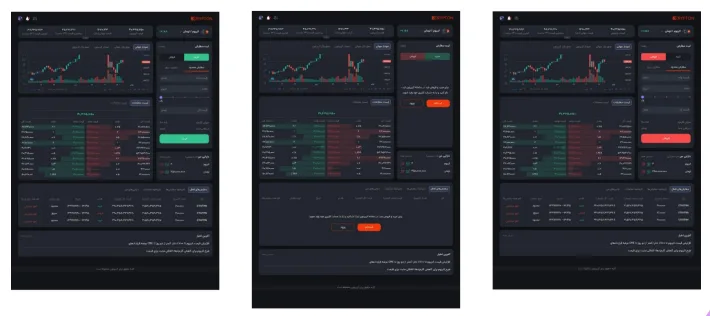
- Creating appropriate error notifications through various UI patterns (toasts, alerts, in-line messages)
- Designing preventive measures and recovery paths for critical actions
- Implementing clear status indicators for transaction states
The error handling system prioritized both error prevention and clear communication, ensuring users remained informed and in control of their trading activities. Each error state was carefully designed to provide actionable feedback while maintaining the platform's reliability and user trust.
Test & Learn: Rapid User Feedback Cycles
Our testing methodology focused on rapid, iterative feedback collection through regular in-house sessions. After each story release, we conducted pilot tests with small user groups of 3-4 participants, primarily targeting specific features or workflows.
Testing Structure:
- Quick 30-minute sessions
- Task-based scenarios
- Direct observation of user interactions
- Immediate feedback collection
- Testing with both crypto-experienced and novice users
While not as comprehensive as formal usability studies, these frequent, focused sessions proved valuable for identifying critical issues early. The number readability improvement emerged from one such session where users struggled with market data comprehension.
This agile testing approach allowed us to:
- Identify usability issues quickly
- Implement solutions rapidly
- Validate improvements in subsequent releases
- Maintain development momentum while ensuring quality
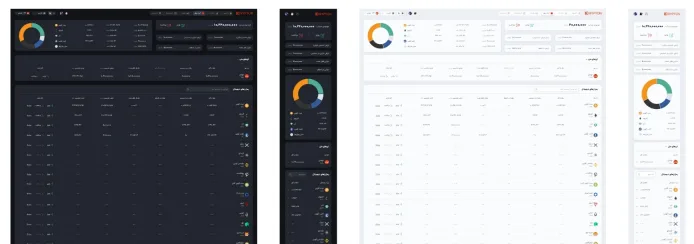
Numbers That Click: Data Visualization Evolution
Through our usability testing sessions, we uncovered a significant readability challenge with numerical data presentation. To address this, I designed an innovative contrast-based number formatting system:
For Numbers Above 1: Integer portion (123): High contrast (white/black) Decimal portion (.45678): Medium contrast (gray)
For Numbers Below 1: Leading zero (0): Medium contrast (gray) Decimal portion (.123456): High contrast (white/black)
This visual hierarchy dramatically improved number scanability across the platform, particularly in dense data displays like the Market List Page.
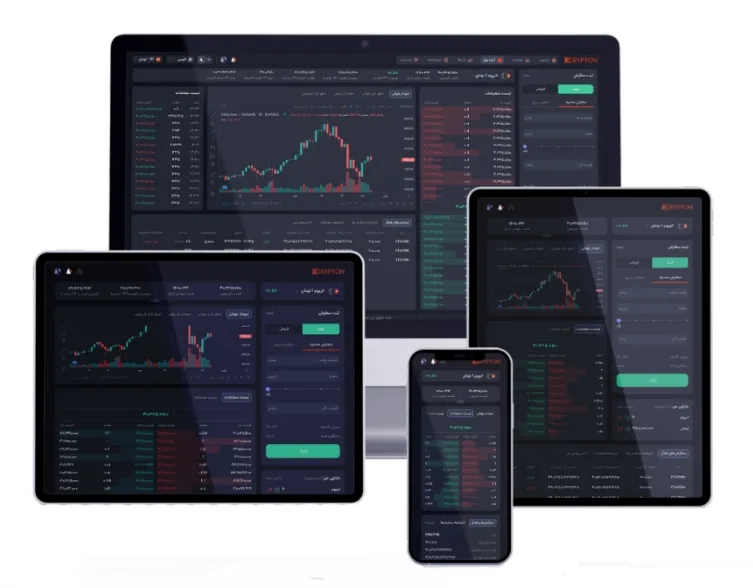
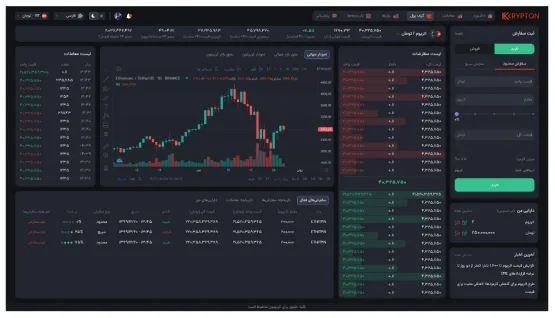
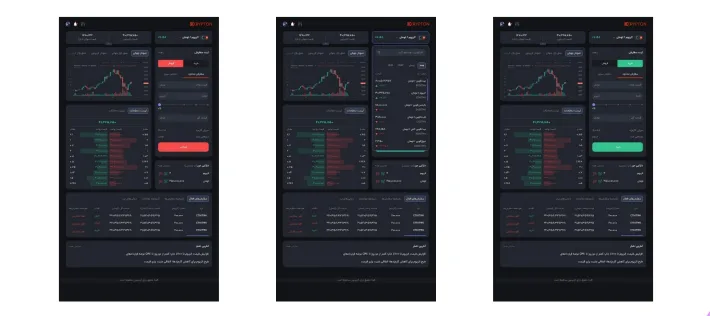
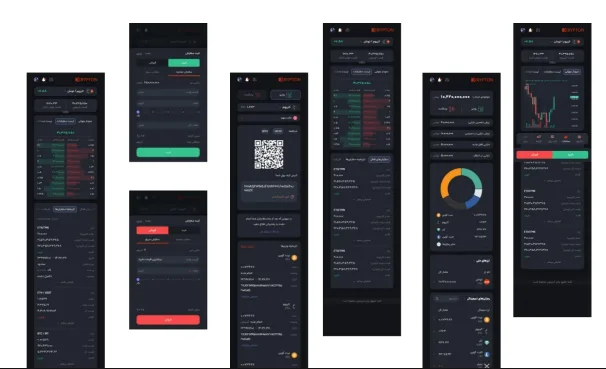
Design in Action: Key Interface Examples
The End of Krypton: Market Realities
Despite achieving significant design milestones in developing Krypton's trading platform, Iran's economic challenges ultimately led to the project's discontinuation. Rising costs and market instability forced stakeholders to halt operations before full market launch, demonstrating how external economic factors can impact even well-designed products. While the platform never reached its full potential, the design system, research insights, and technical solutions developed remain valuable examples of crypto exchange architecture.