Problem → Solution → Result
Problem: Nobitex's 6M users wanted trading guidance, but the only place to get it was Telegram, where unregulated "signal" channels ran manipulative free-to-VIP funnels with fake track records and zero accountability. Nobitex's own margin trading feature, the natural home for guided trading, sat at just 5% adoption.
Solution: As the sole designer on a five-person squad (a PM, two backend engineers, two frontend engineers), I researched global copy trading platforms alongside Iran's Telegram signal ecosystem, then designed and shipped a manual-copy-only MVP. The scope was intentionally narrow: prove people would use this before Nobitex spent engineering time on automation, leaderboards, or subscriptions.
Result: The platform launched in Summer 2024 with 10,000+ active users and 500 verified master traders, a strong number for a first attempt at something like this. But adoption never grew past a small slice of Nobitex's overall margin-trading base. I moved to other projects at Nobitex not long after launch, the feature got no further investment under the next owner, and it was eventually sunset. I still consider it a clean example of using a small, honest MVP to test a real market question instead of guessing at the answer.
The Problem: A Trust Vacuum, Not a Feature Gap
I joined this project in September 2023. Nobitex already had 6 million users and a dominant spot and margin trading business, and the team wanted to see if social trading could pull passive users into actually trading.
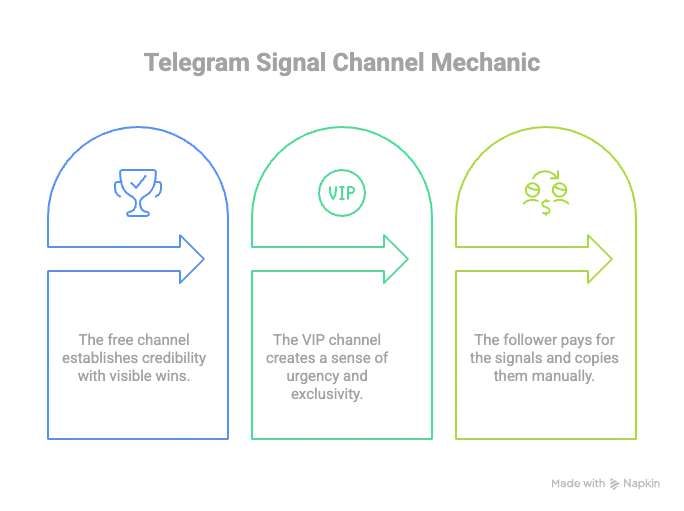
Talking to our CPO and PM early on, it became clear the missing thing wasn't a feature. It was trust. Users who wanted trading guidance had nowhere to get it except Telegram, where self-styled "experts" ran a two-tier setup: a free channel to build FOMO with screenshots of wins and vague market calls, and a paid VIP channel promising the real signals. Nobody could verify a track record. Nobody was accountable when a call went wrong, and there was no protection for whoever paid to follow it.
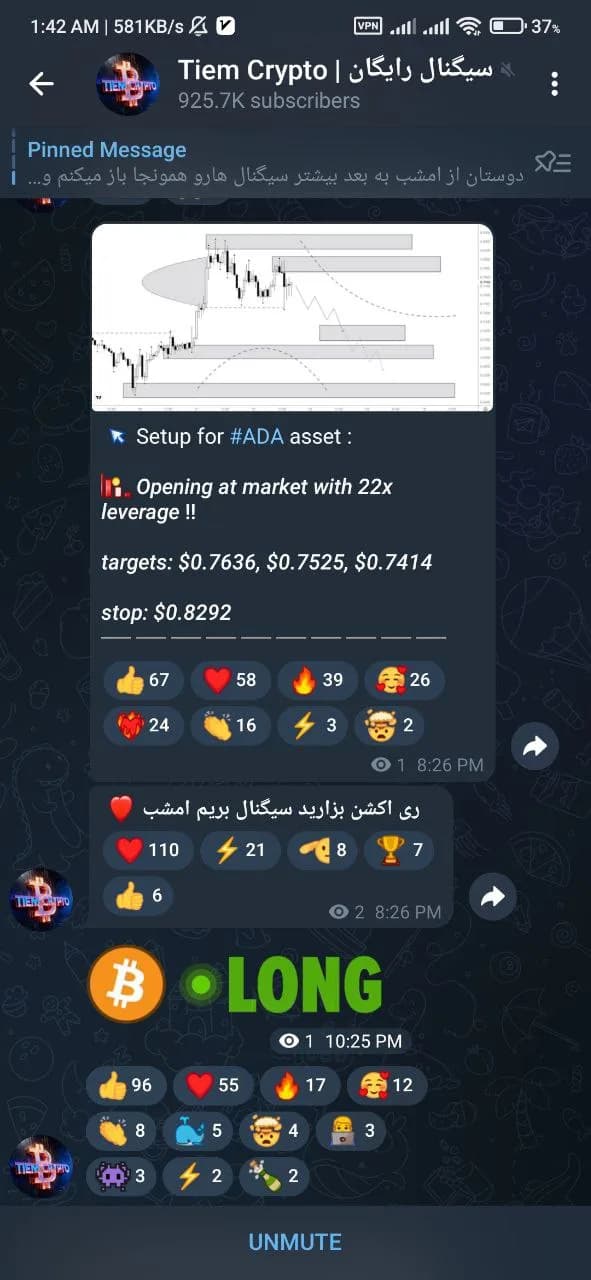
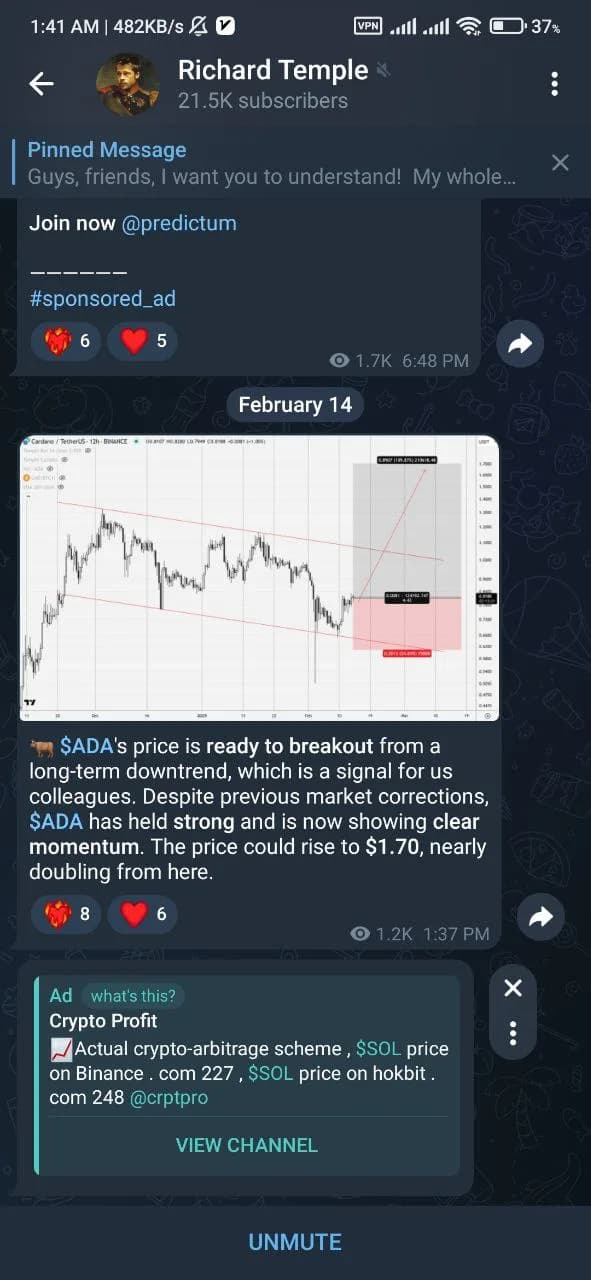
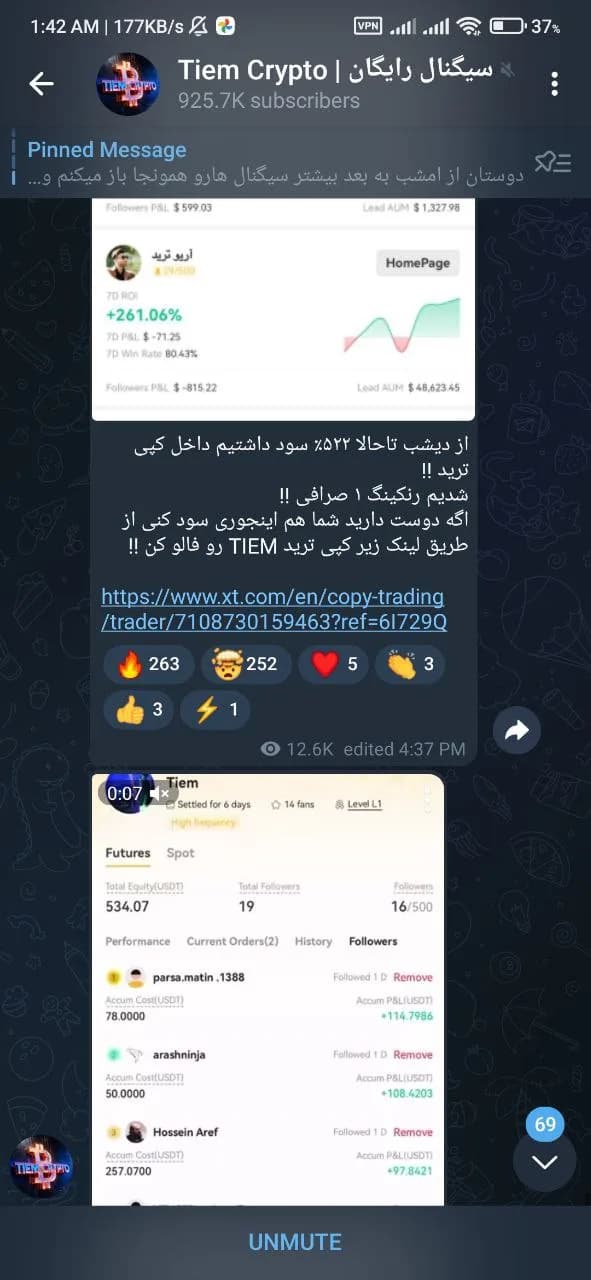
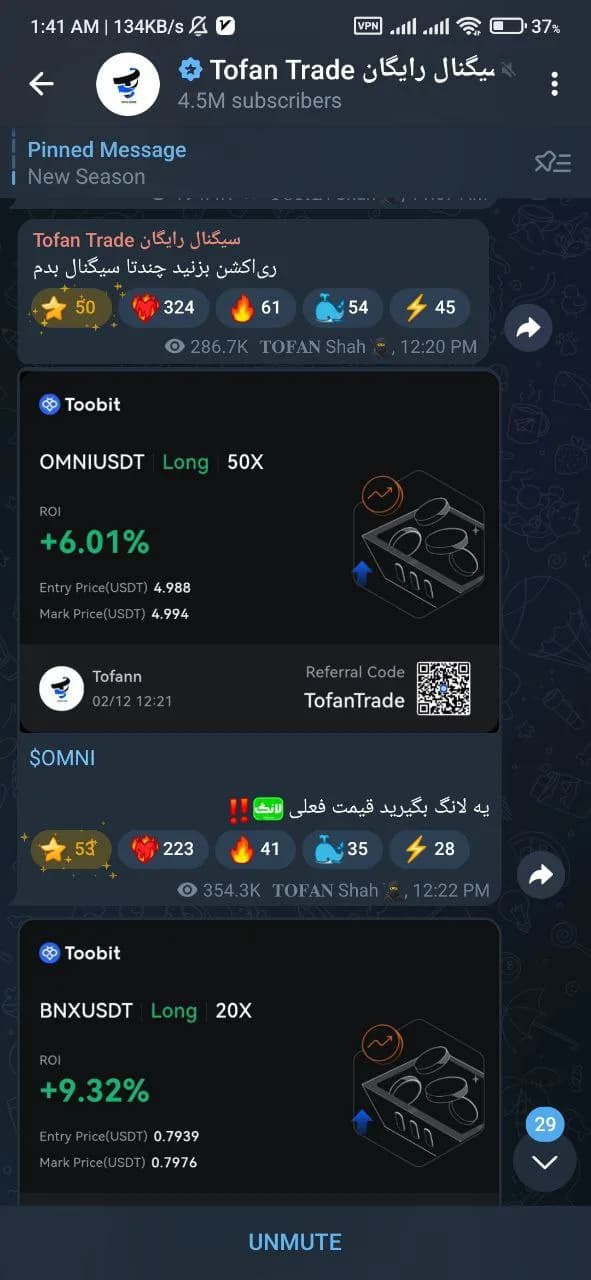
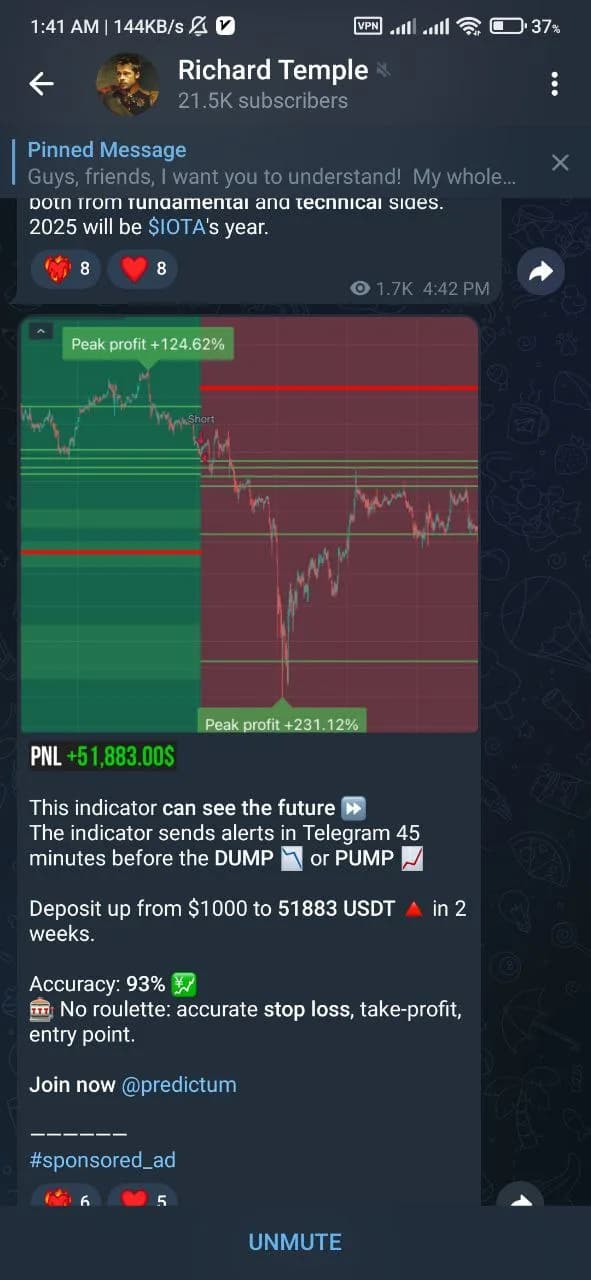
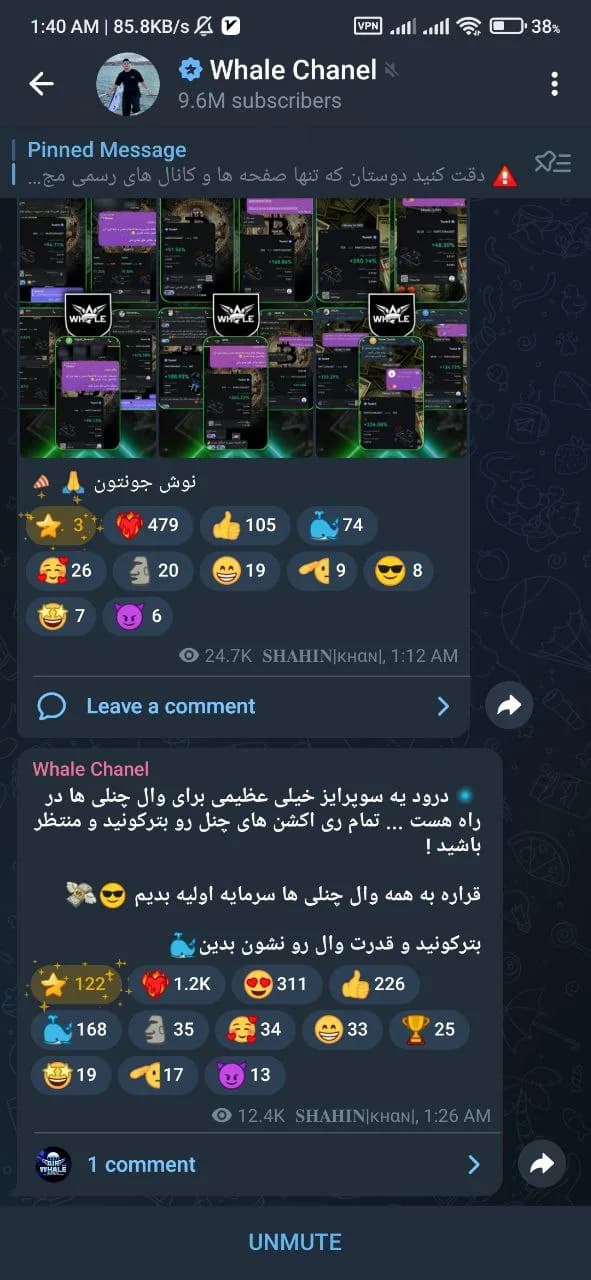
Nobitex's own margin trading product should have been the answer to this, but it was stuck at 5% engagement. The opportunity was to give people a reason to trust a signal without ever leaving Nobitex's custody.
Research: Global Platforms and Local Chaos
I ran two tracks of research at the same time.
Studying the Telegram ecosystem meant mapping out exactly how these channels manipulated people, the FOMO seeding on the free tier, the urgency on the paid tier, the wins shown and the losses hidden, so I knew precisely which trust signals Nobitex needed to build against.
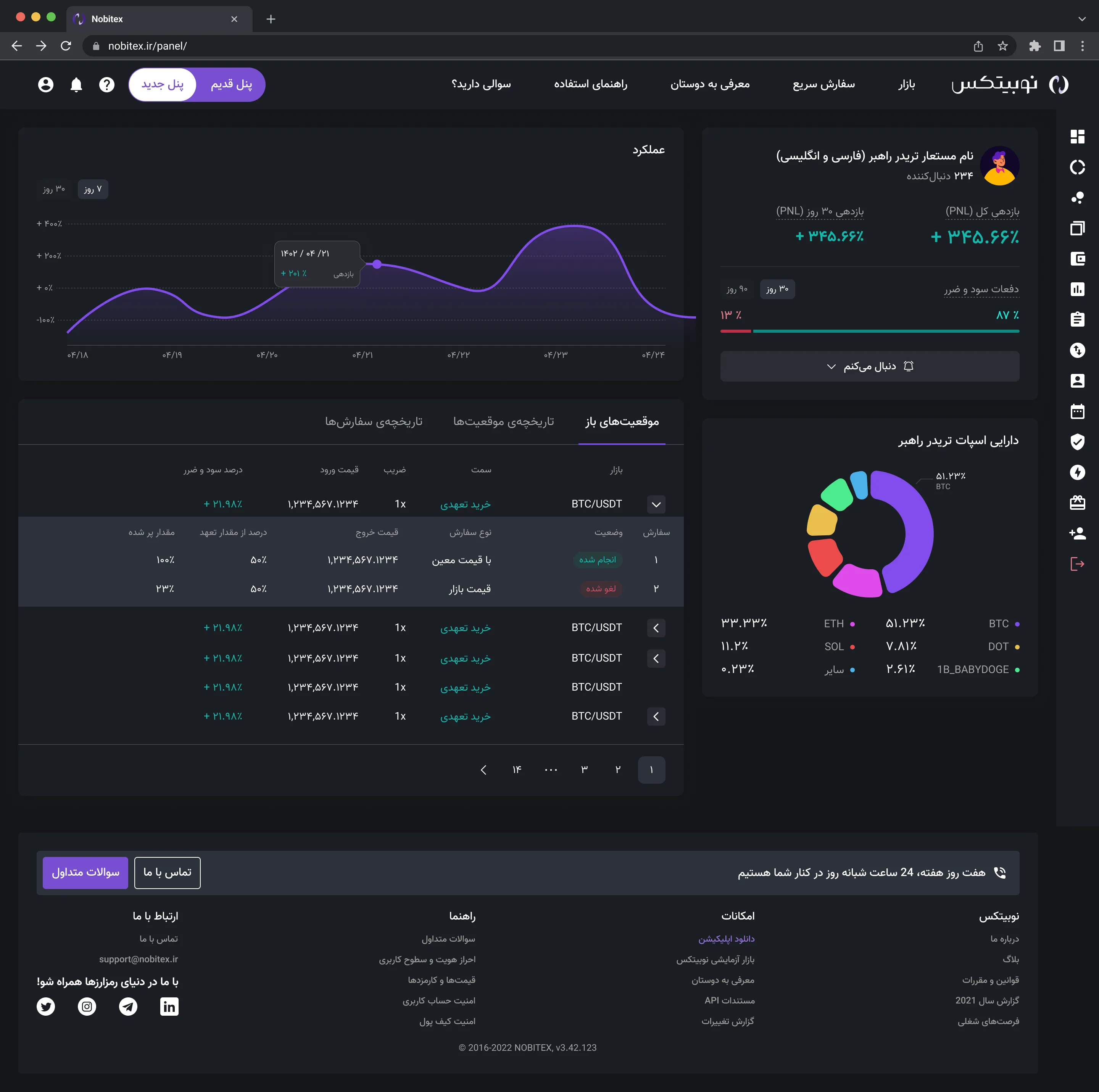
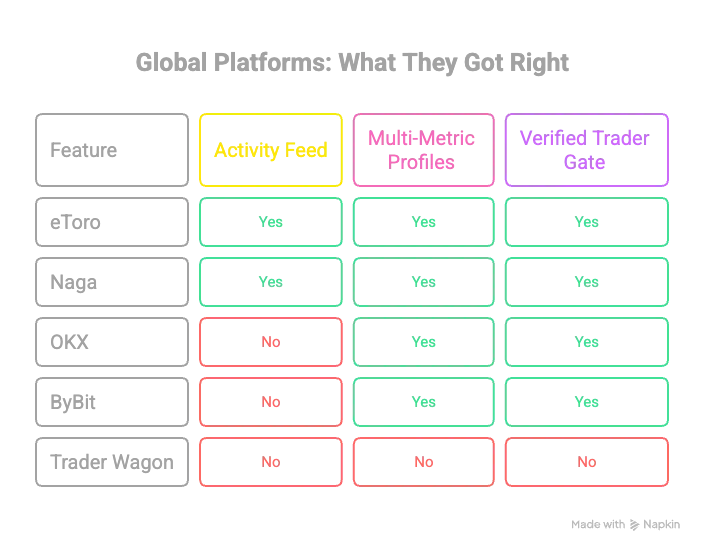
Studying global copy trading platforms (eToro, Naga, OKX, ByBit, Trader Wagon) surfaced a few patterns that held up across all of them. Activity feeds aren't just an engagement feature, they're how a master trader's history becomes credible. Raw profit and loss numbers are a bad basis for deciding who to follow, since the platforms that lasted showed multiple performance metrics instead of one headline return. And every platform that had survived long-term gated who could become a "master trader" behind some kind of verification.
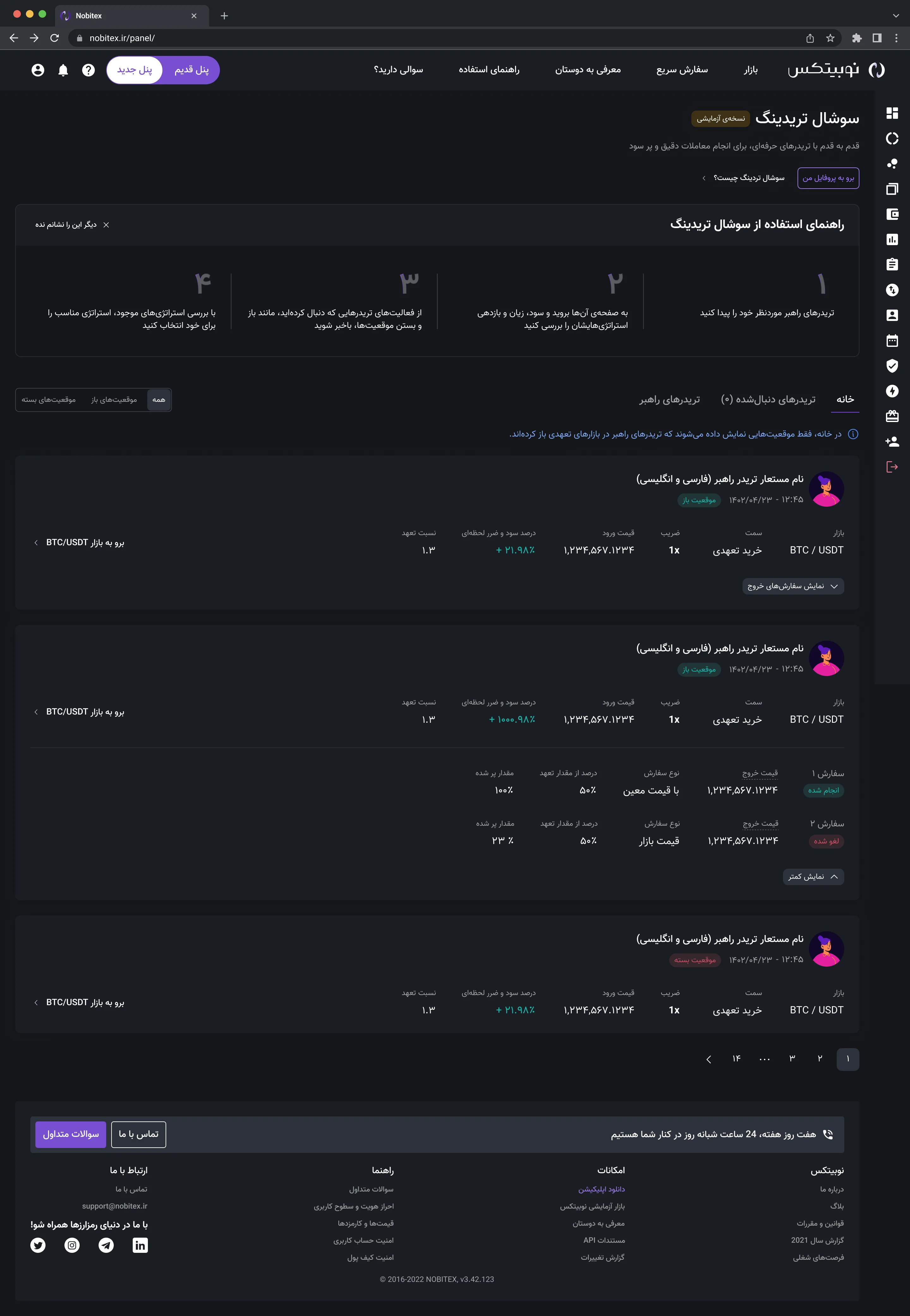
Those three findings turned into three concrete bets for the product: a public activity feed as the trust backbone, a trader profile built on multiple metrics instead of one number, and a verification step for anyone applying to publish trades.
Solution: Why We Launched Manual-Copy Only
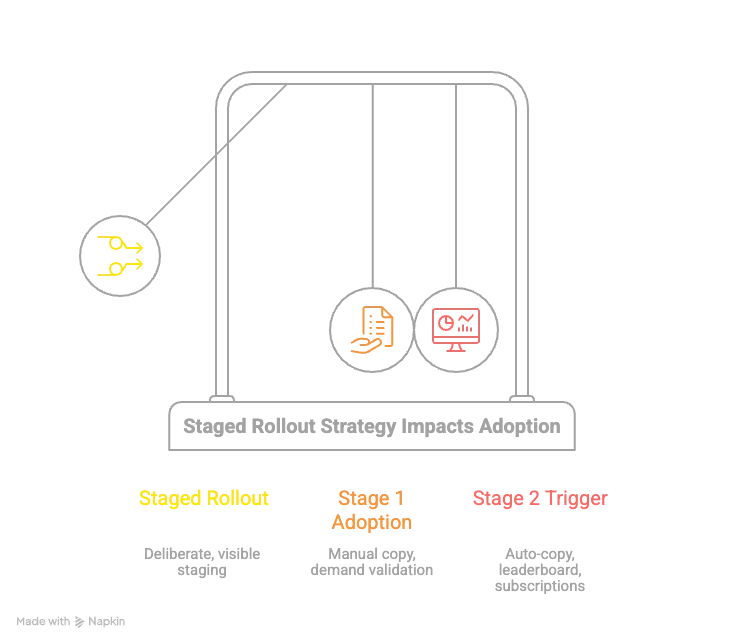
The single decision that mattered most on this project wasn't a screen. It was the choice to launch with manual copying only, no auto-copy, no leaderboard, no subscriptions, even though all three were part of the original pitch.
That wasn't a corner we cut because of a deadline. It came from a management call: check whether people would adopt copy trading at all before building the infrastructure auto-copy would need. If the numbers looked good, automation was next on the roadmap.
The Two-Channel Strategy:
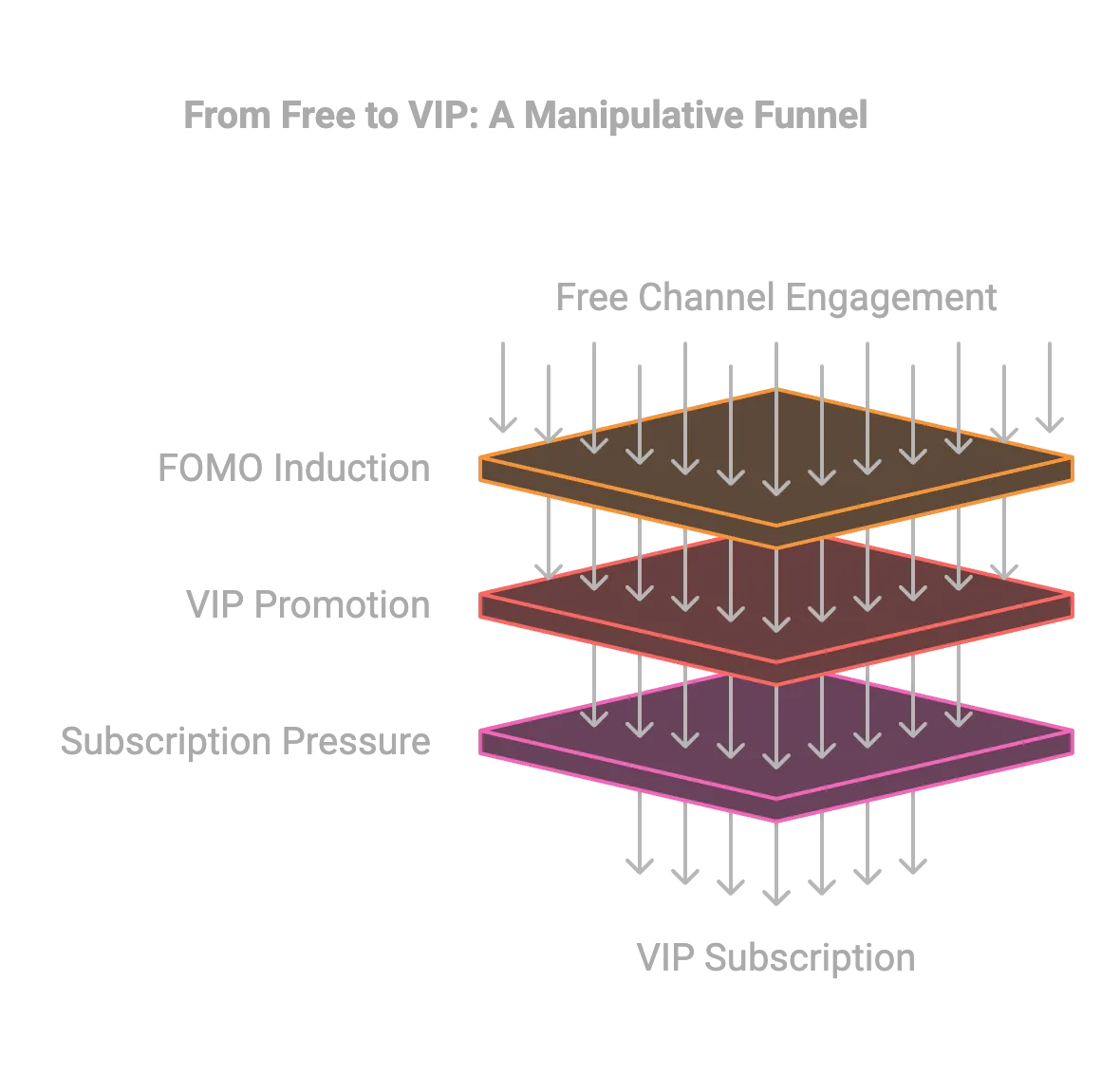
Most trading 'experts' operated a dual-channel approach:
Free Channel Tactics:
- Basic market analysis posts
- General trading insights
- Occasional "preview" signals
- Screenshots of successful trades
- Constant hints about VIP success
VIP Channel Promotion:
- Aggressive FOMO creation
- Success story highlighting
- Premium signal promises
- Subscription fee pushing
- Exclusive group benefits
The Psychology at Play: These channels masterfully created a narrative:
- Free users missing out on profits
- VIP members "getting rich"
- Urgent call-to-actions
- Emotional manipulation
- Fear of missing opportunities
Red Flags Identified:
- No verification of trader credentials
- Lack of performance tracking
- Missing trade documentation
- Zero accountability
- Hidden failed predictions
This unregulated ecosystem revealed why users needed a trusted alternative:
- Verified trading expertise
- Transparent track records
- Real-time performance monitoring
- Protected learning environment
Global Platform Deep Dive:
Next, I immersed myself in studying established copy trading platforms:
- eToro's social trading approach
- Naga's engagement features
- OKX's integration methods
- ByBit's user protection measures
- Trader Wagon's verification systems
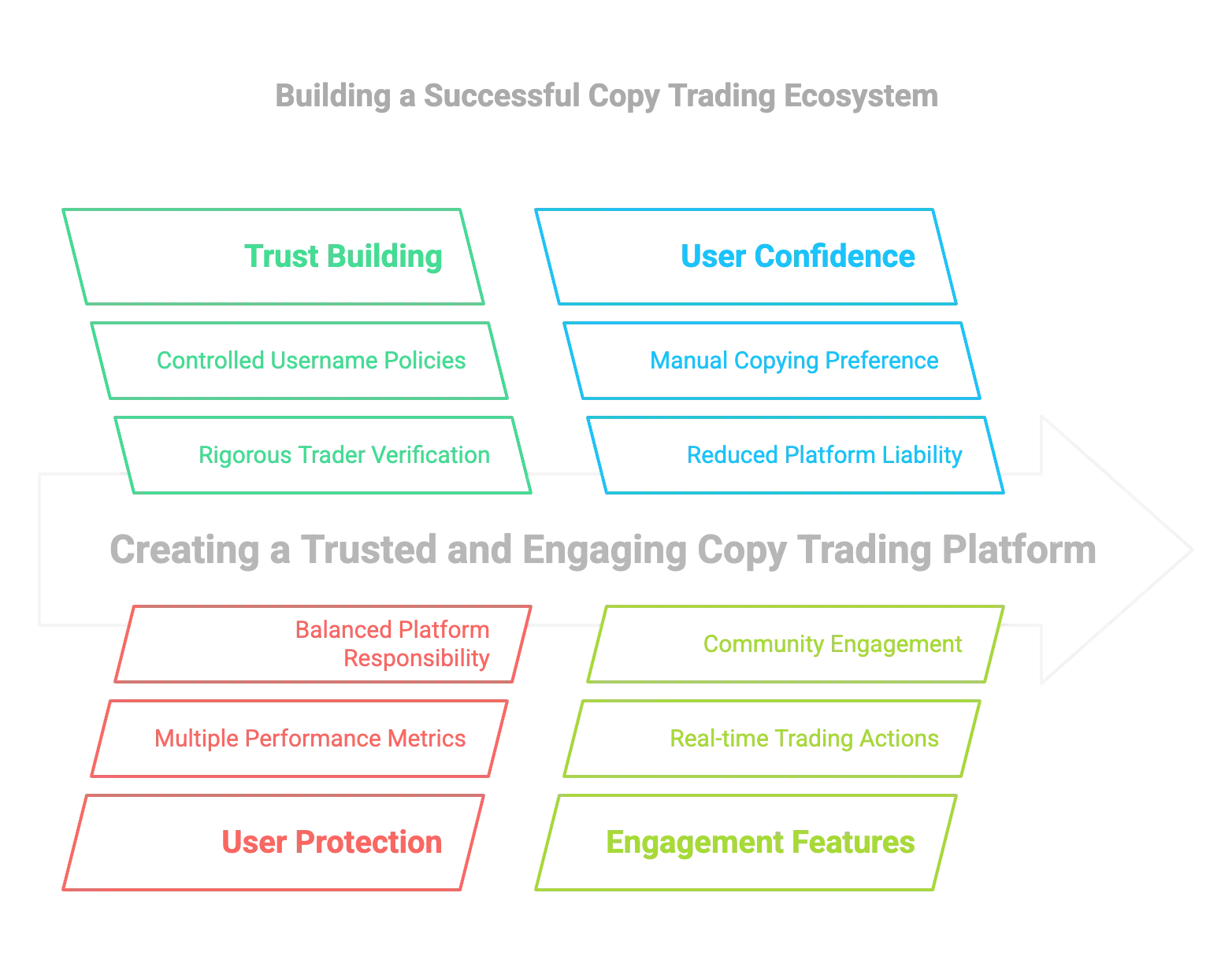
Each platform offered valuable lessons, leading to four crucial insights:
- The Feed Factor
Activity feeds weren't just features - they were trust builders:
- Real-time trading actions
- Strategy explanations
- Performance tracking
- Community engagement
- The Following Philosophy
We needed to protect users from themselves:
- Raw profit/loss numbers weren't enough
- Multiple performance metrics needed
- Careful consideration encouraged
- Platform responsibility balanced
- The Copy Conundrum
A surprising discovery emerged during stakeholder discussions:
- Users feared automatic copying
- Manual copying provided better control
- Reduced platform liability
- Enhanced user confidence
- Trust Architecture
Creating a trusted environment meant:
- Rigorous trader verification
- Controlled username policies
- Quality assurance measures
- Safe learning environment
These insights painted a clear picture: successful copy trading wasn't just about following profitable traders - it was about creating an ecosystem where users could learn, grow, and trade with confidence, free from the anxieties that plagued the Telegram signal space.
Wireframe Phase: Focusing on Core Flows
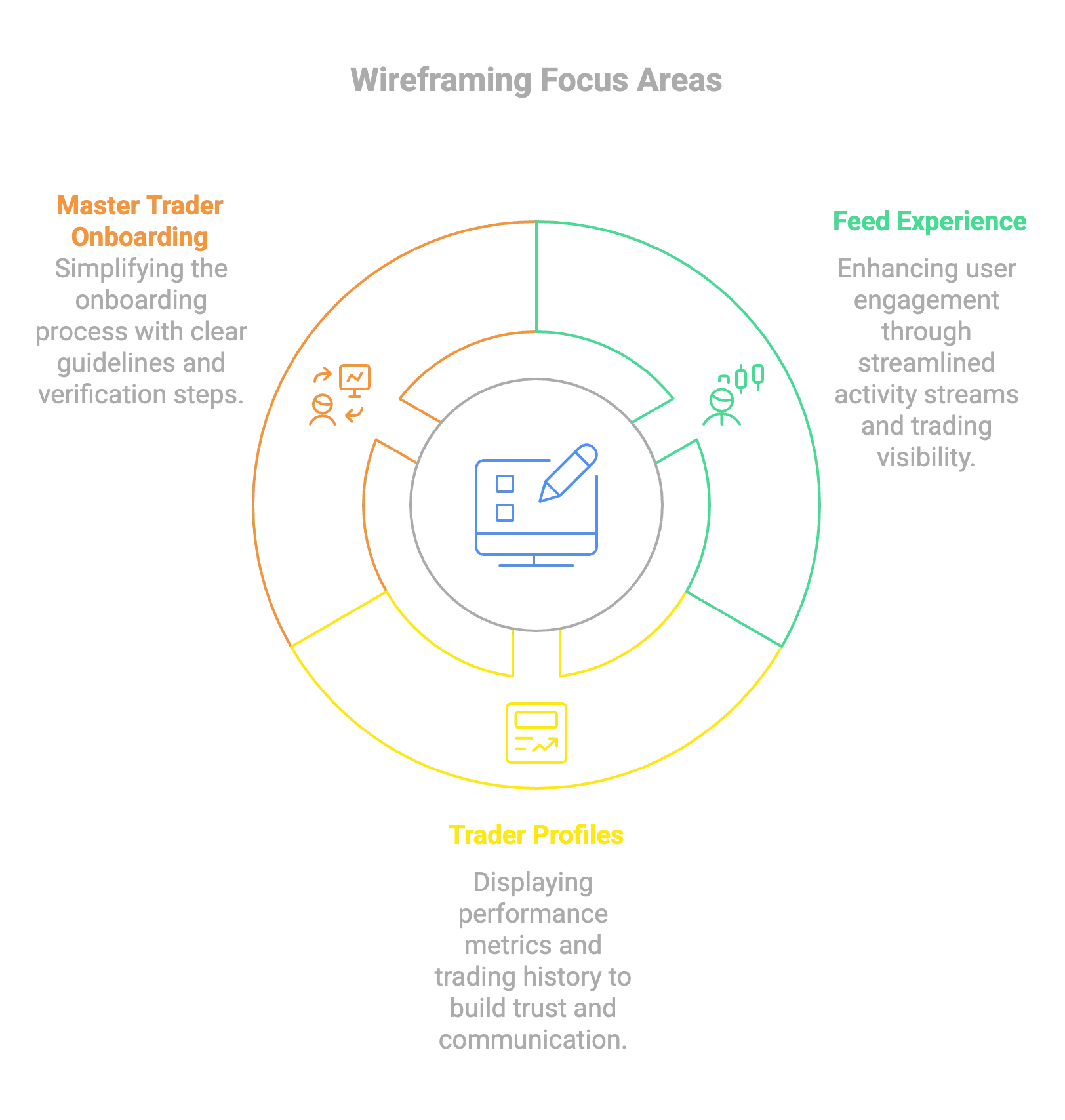
Given the feature's experimental nature, I focused on essential flows through wireframing, validating core concepts with stakeholders before detailed design:
Priority Flows:
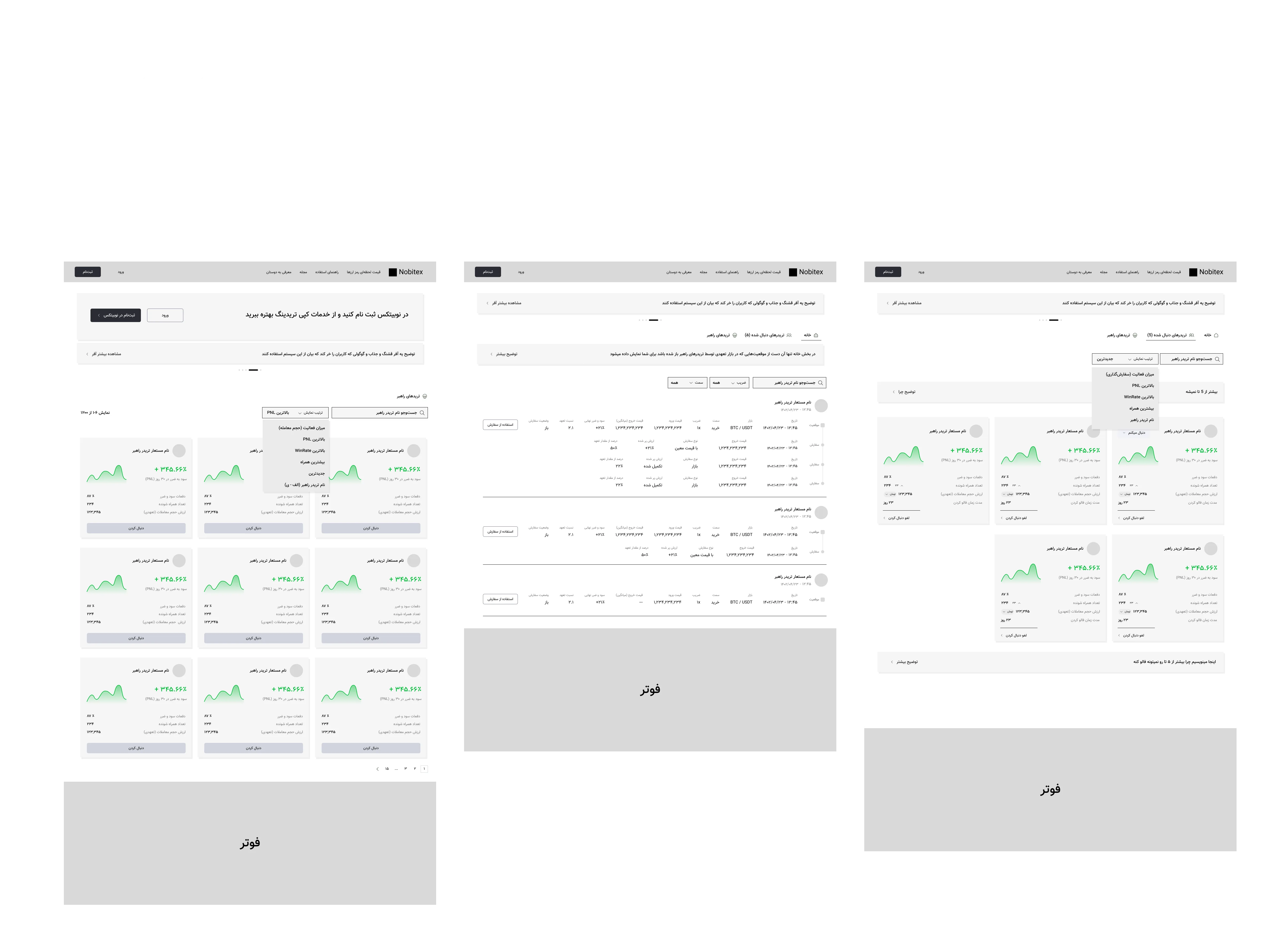
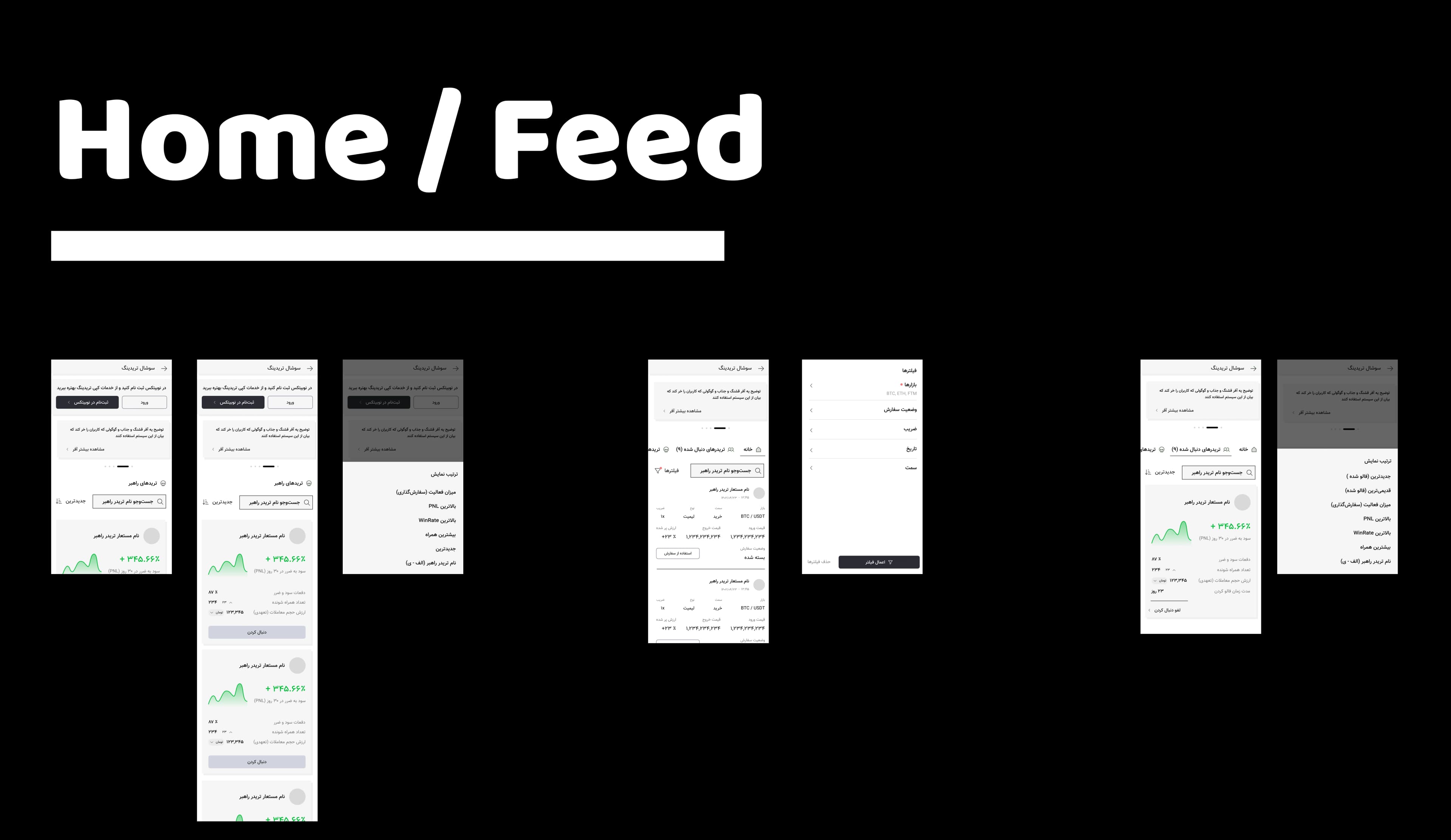
- Feed Experience
- Activity stream design
- Trading action visibility
- Engagement mechanisms
- Information hierarchy
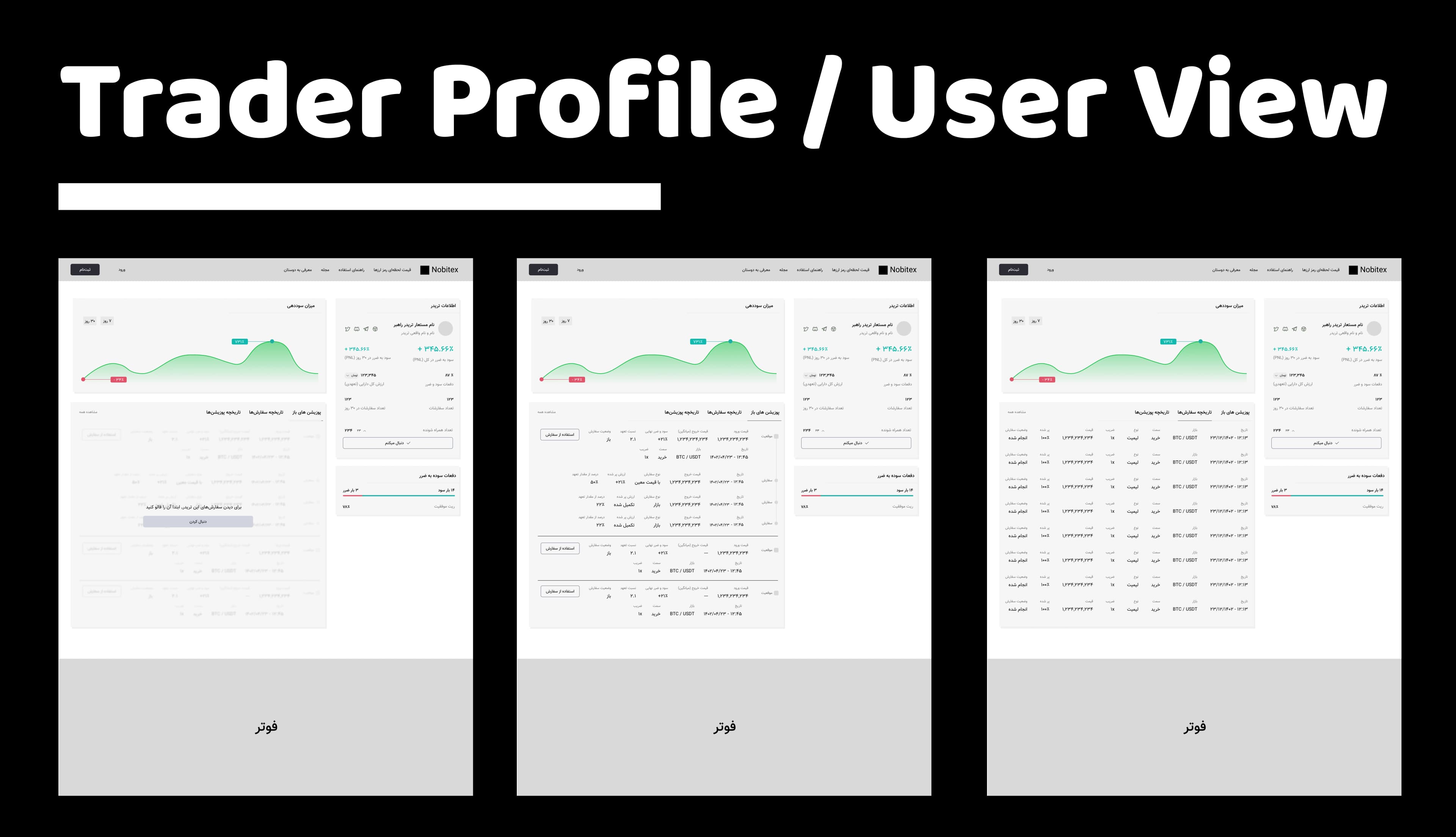
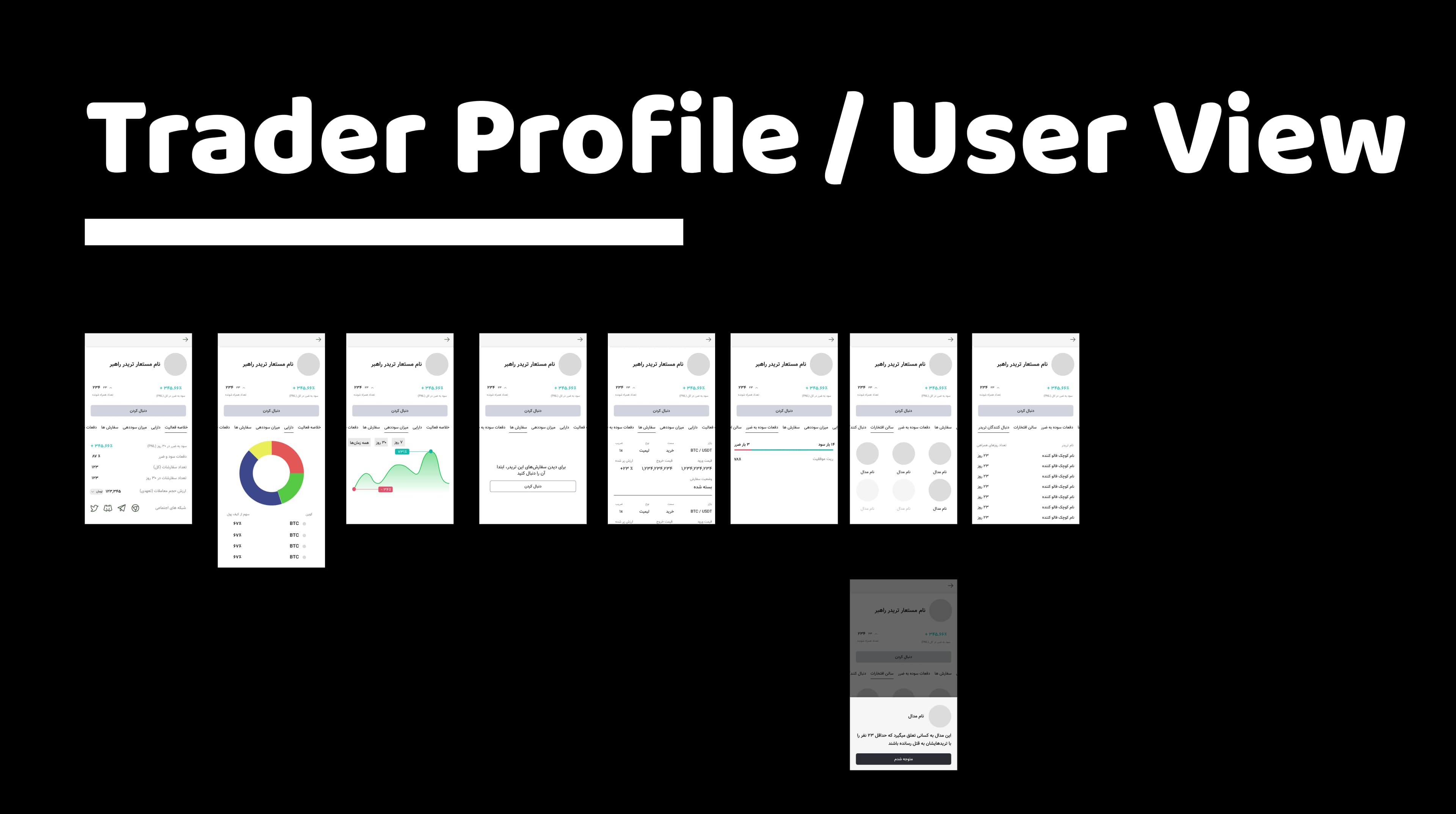
- Trader Profiles
- Performance metrics display
- Trading history
- Strategy communication
- Trust indicators
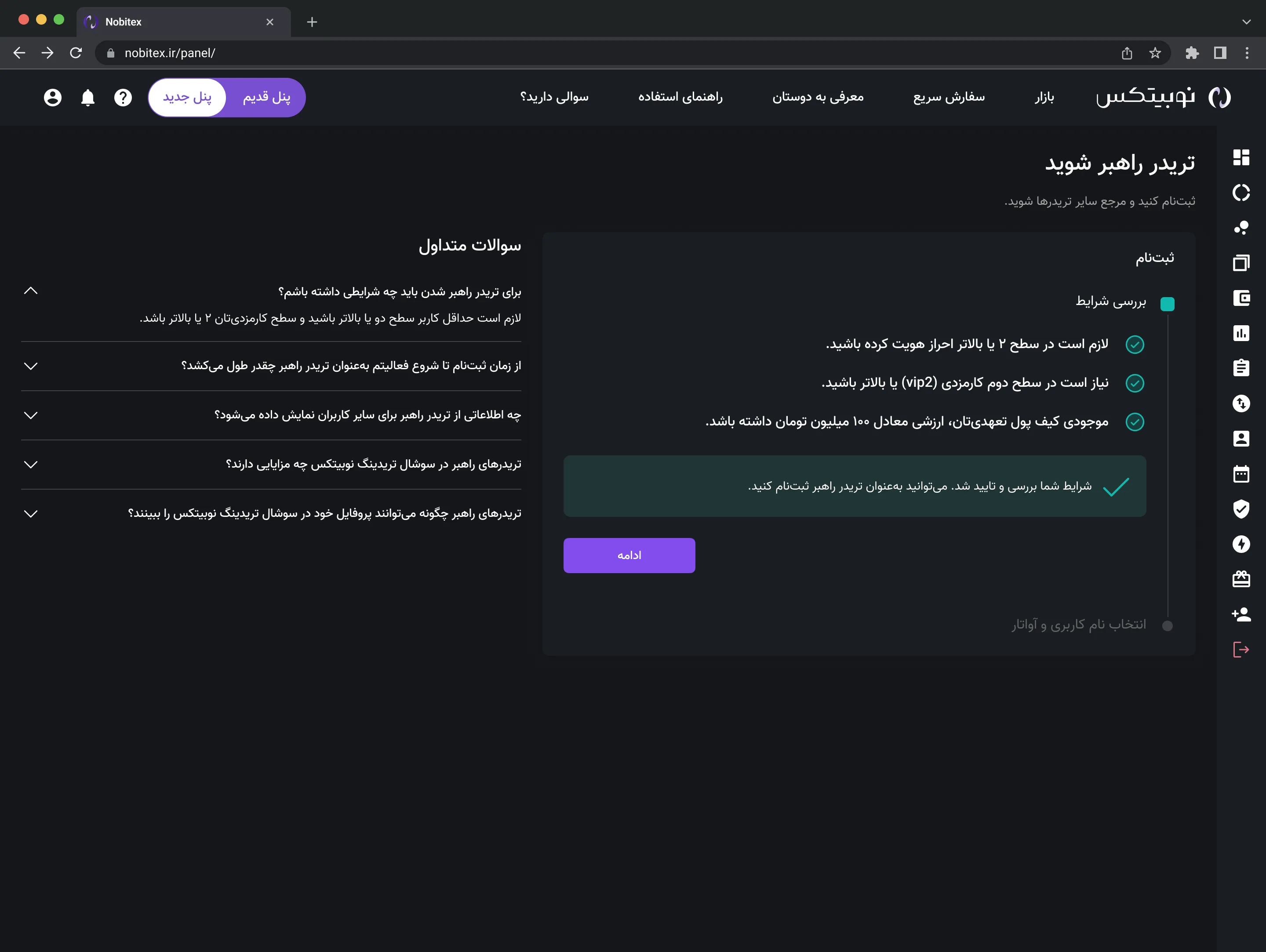
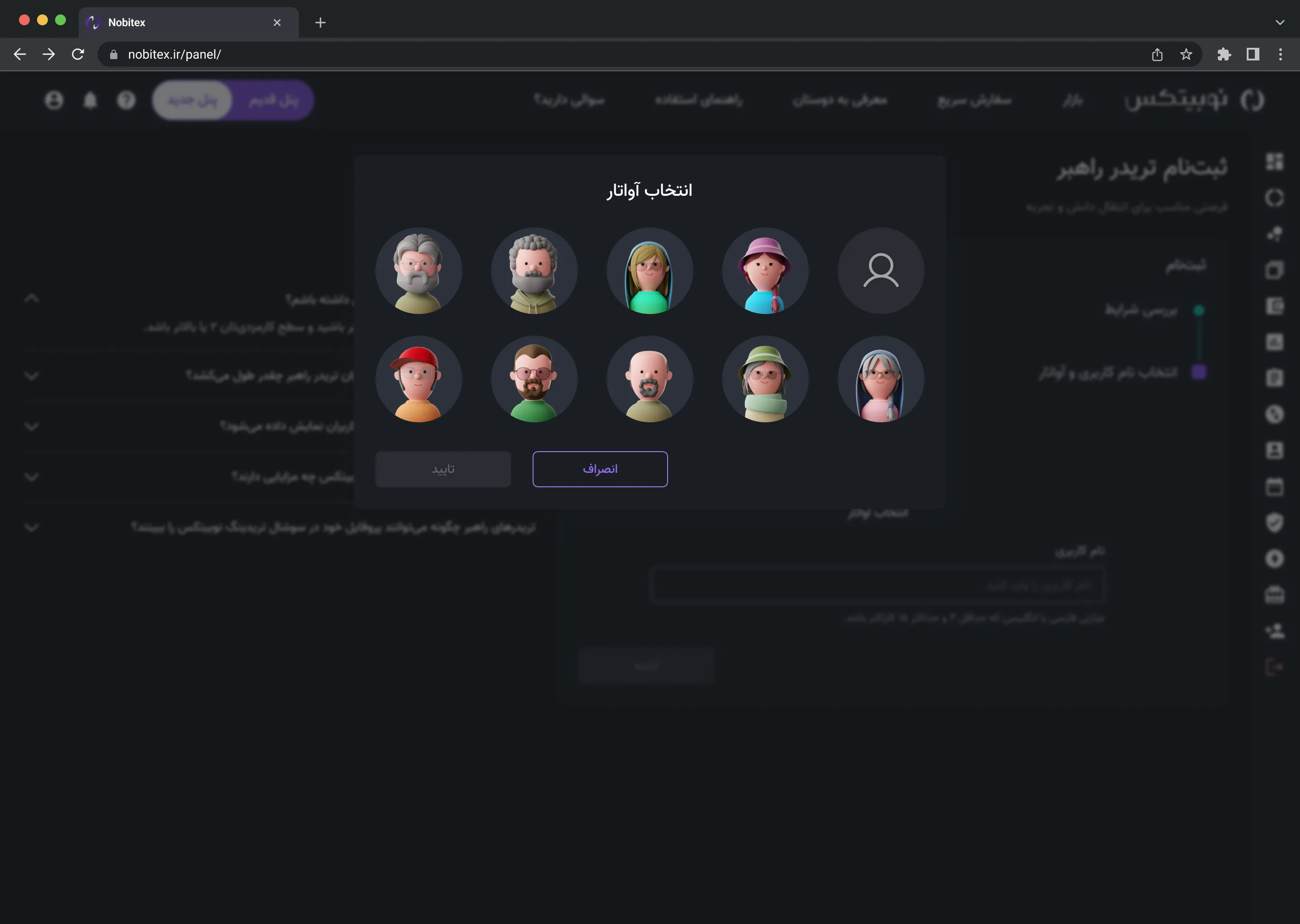
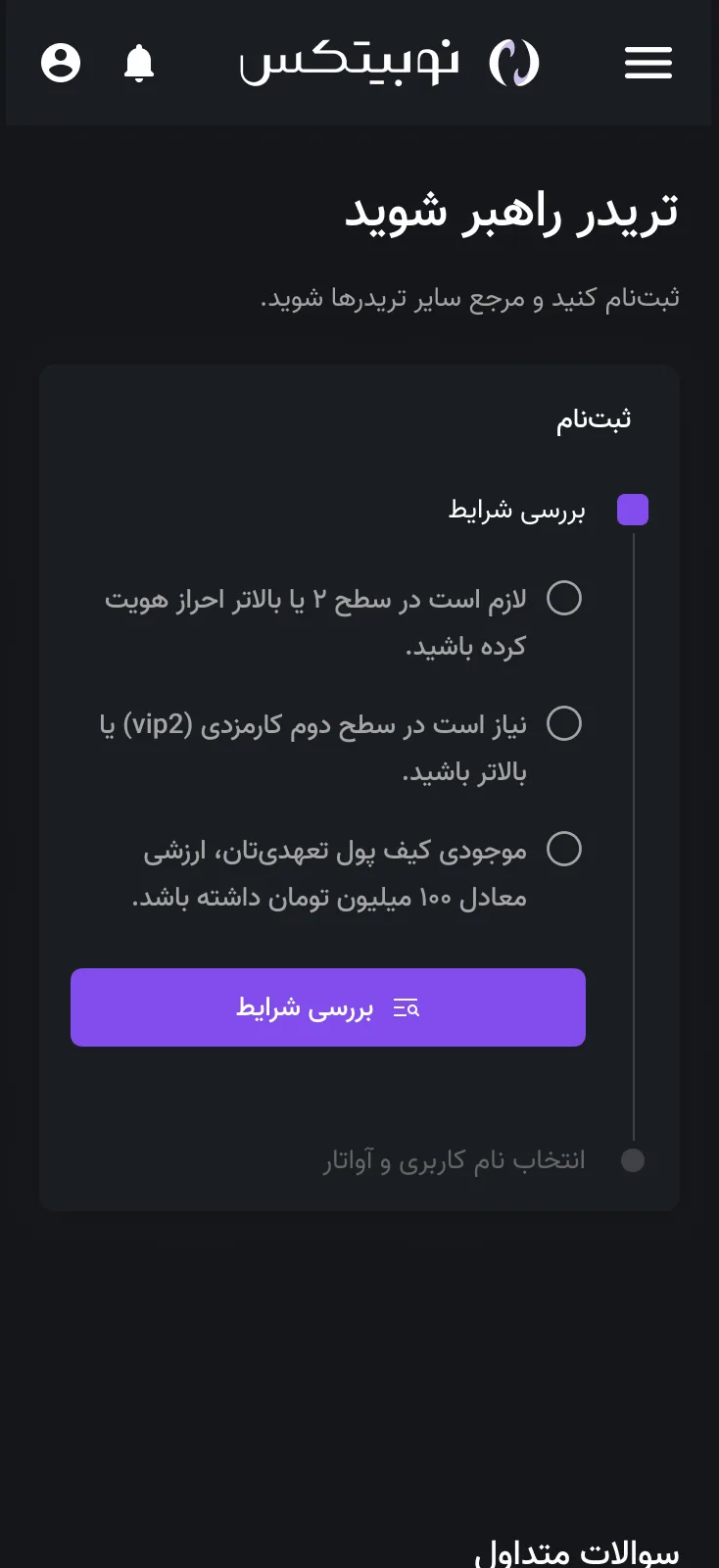
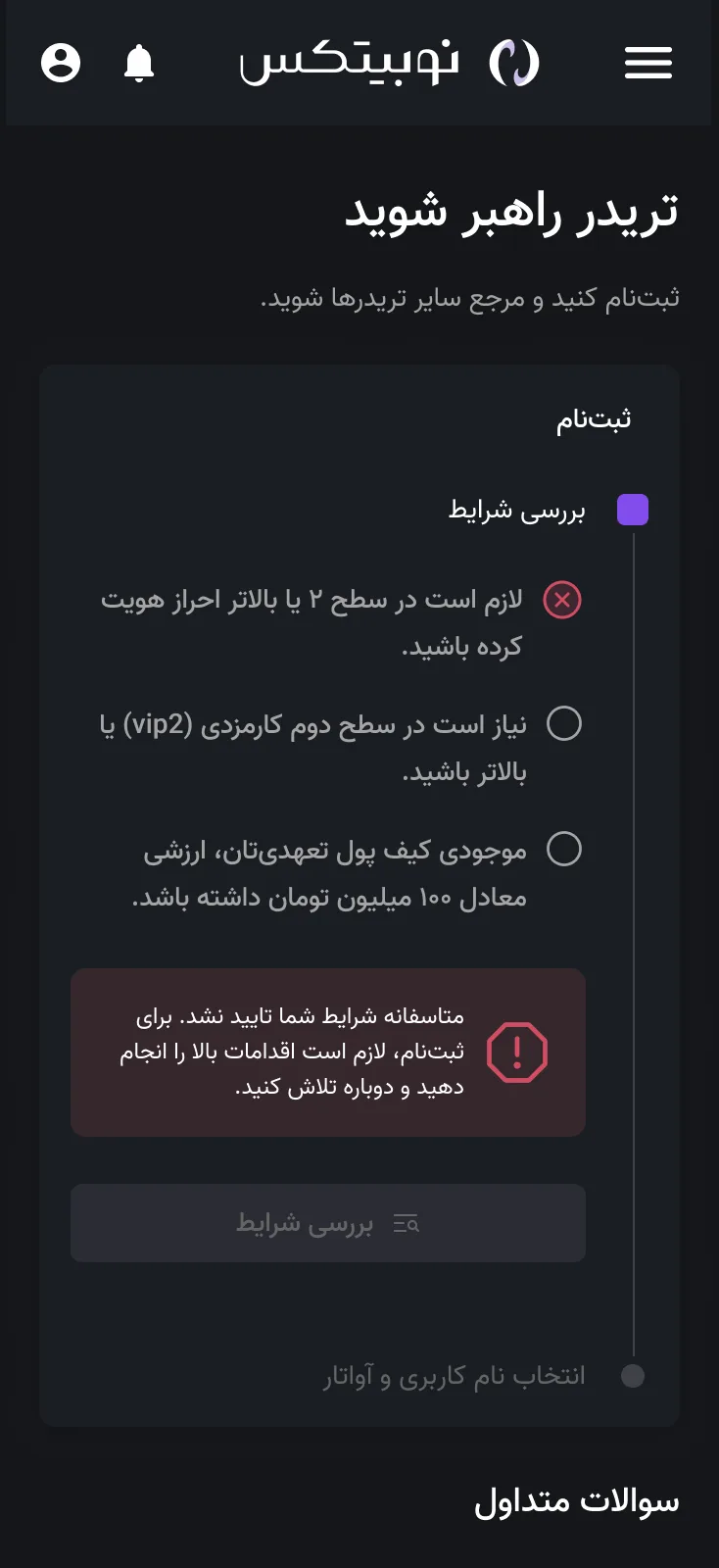
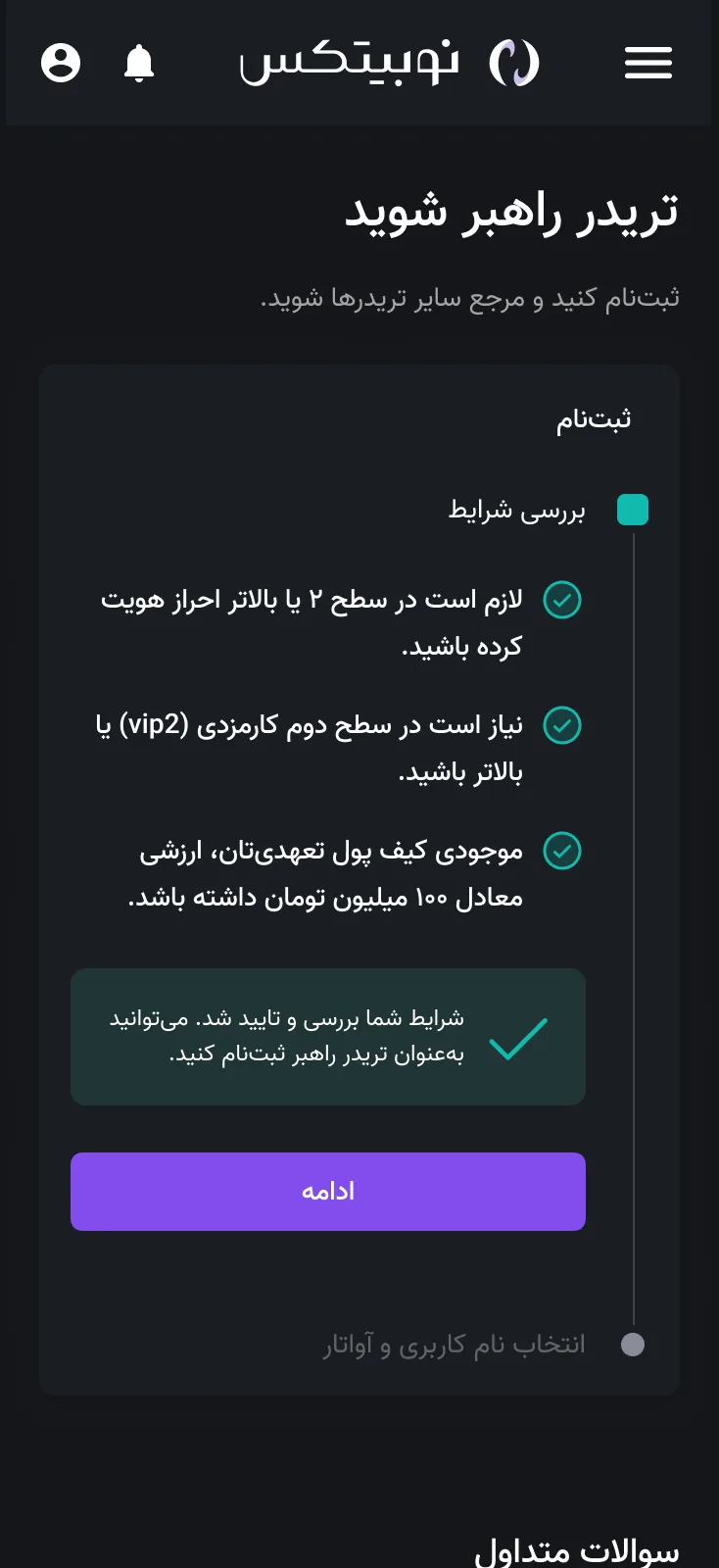
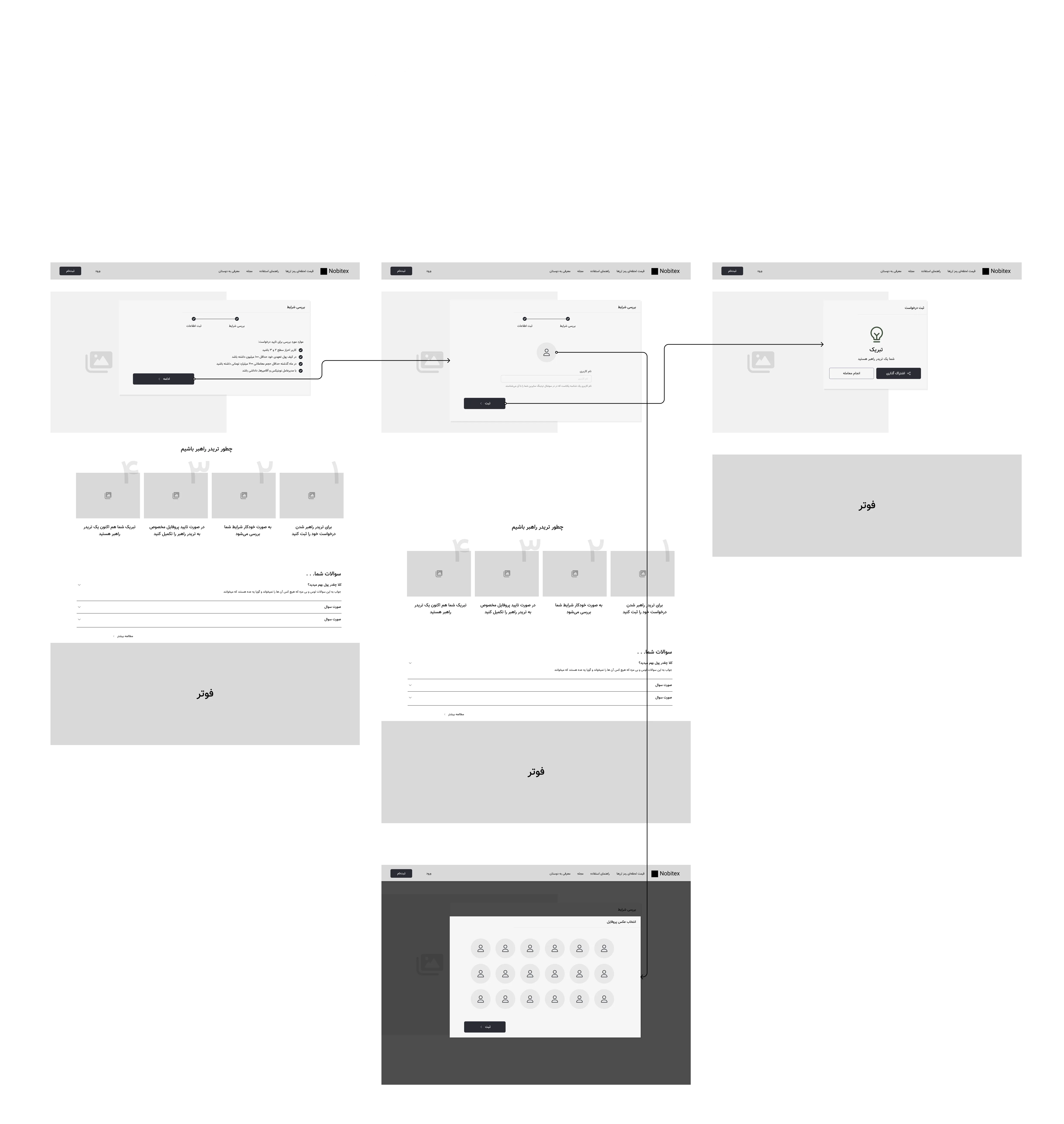
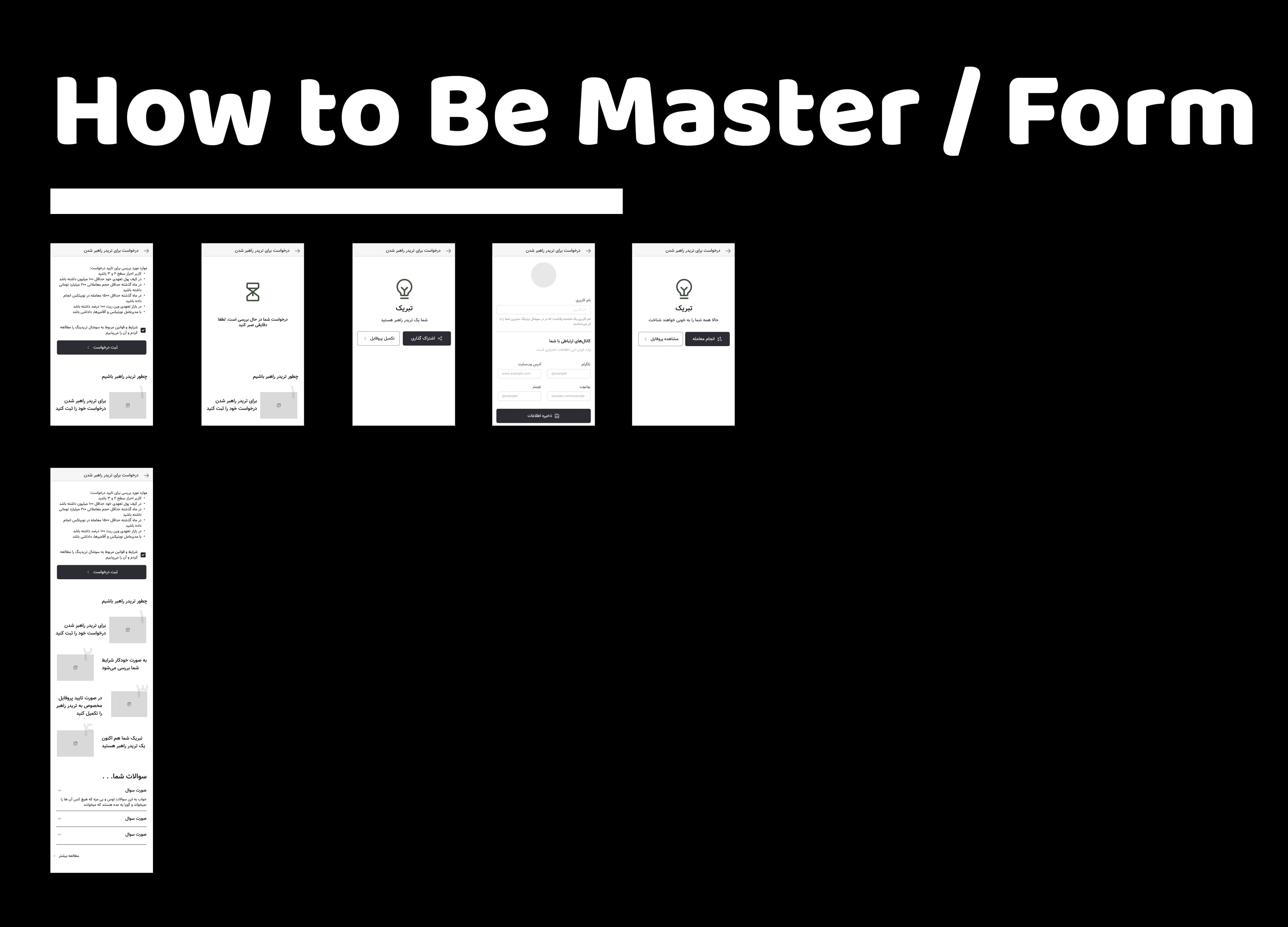
- Master Trader Onboarding
- Qualification process
- Verification steps
- Profile setup
- Guidelines integration
Initial Scope Adjustment: While the leaderboard was initially wireframed, stakeholder reviews led to its removal, keeping focus on core functionality. Additionally, although mobile wireframes were created, development constraints kept us web-focused.
Stakeholder Alignment: Regular reviews with:
- Chief Product Officer
- Product Manager
- Head of Product Design
- Development team leads
This focused approach allowed us to:
- Validate core concepts quickly
- Adjust based on feedback
- Maintain development feasibility
- Ensure business alignment
Copy Trading Evolution: From Launch to Legacy
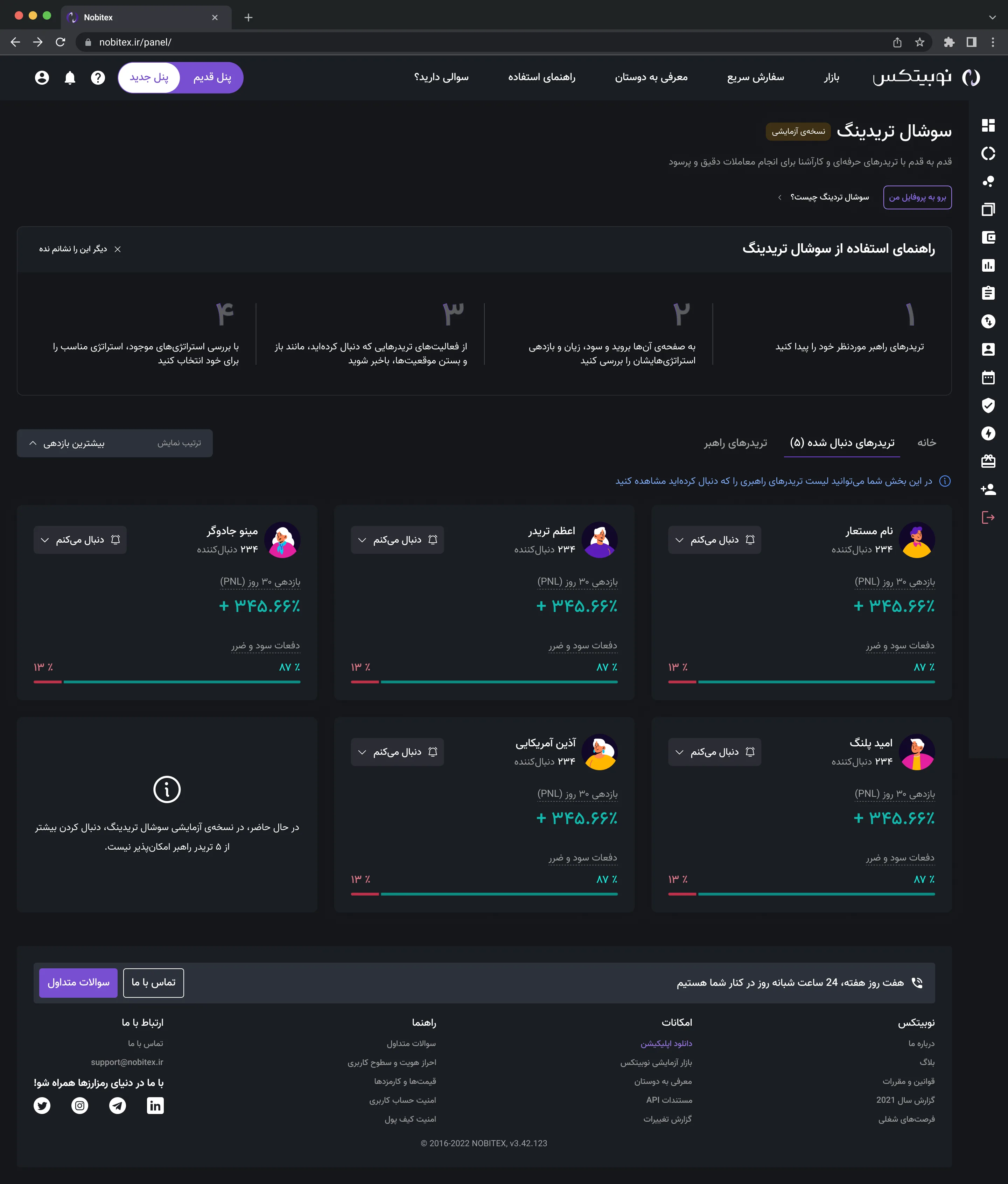
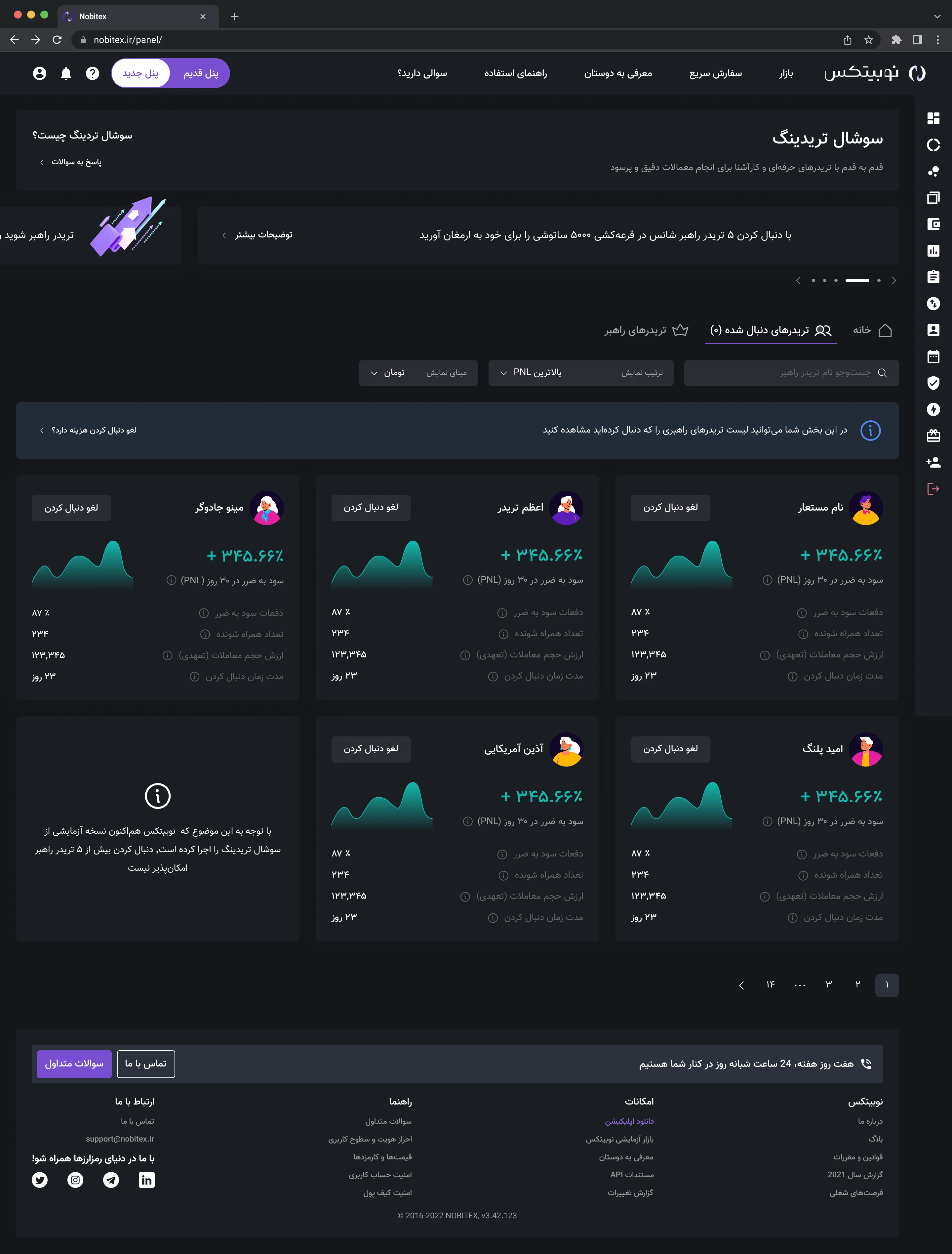
Building upon validated wireframes, I moved into high-fidelity design for both desktop and mobile web views. The platform launched in Summer 2024, achieving significant initial adoption:
Launch Success:
- 10,000+ active users
- 500 verified master traders
- Manual copy functionality
- Basic notification system
Current Status: While the platform successfully serves its core purpose, several planned enhancements remain on hold:
- Auto-copy functionality
- Enhanced notifications
- Leaderboard implementation
- Advanced actions
- Subscription models
Business Reality: Despite user growth, further feature development paused due to:
- Shifting business priorities
- Resource allocation needs
- Other critical OKRs
- Market dynamics
The platform stands as a testament to mvp-first approach, serving users while maintaining development efficiency.
Design in Action: Key Interface Examples